Climate Knowledge
Search and find information on your topic
The Helmholtz Association is the largest scientific organization in Germany. Every day, the 18 Helmholtz Centers dedicate themselves to the big questions of our time. They are characterized by their interdisciplinarity, excellent research and unique infrastructure. 46,000 employees work on the world of tomorrow in six thematic areas (Energy, Earth & Environment, Health, Information, Aeronautics, Space & Transport and Matter).
Contact
Der Klimawandel stellt unsere Gesellschaft zunehmend vor komplexe Fragestellungen, die neue interdisziplinäre Ansätze verlangen. Dafür entwickeln alle 18 Helmholtz-Zentren in sechs Forschungsbereichen in unterschiedlichem Umfang wissenschaftsbasierte Lösungsansätze. Helmholtz KLIMA bereitet dieses Wissen auf und vernetzt Expert:innen mit Politik, Medien und Gesellschaft.
Related links
Kompaktes Wissen in unseren
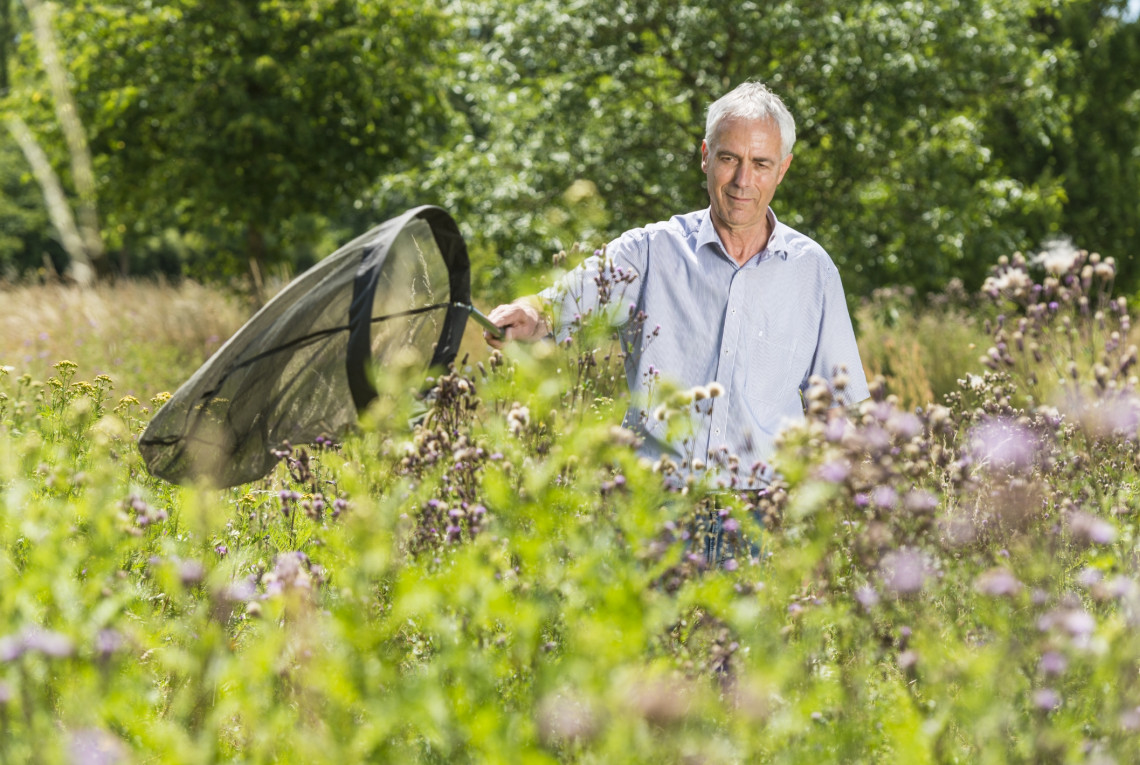
The role of biodiversity in climate protection – and vice versa
Countless species of microorganisms, plants, and animals create a unique biodiversity on our planet. They also play a key role in ensuring a stable climate and the functioning of vital natural cycles. Increasing levels of greenhouse gas emissions are causing major changes in ecosystems and biodiversity. How can climate protection and nature conservation be thought of as two sides of the same coin?
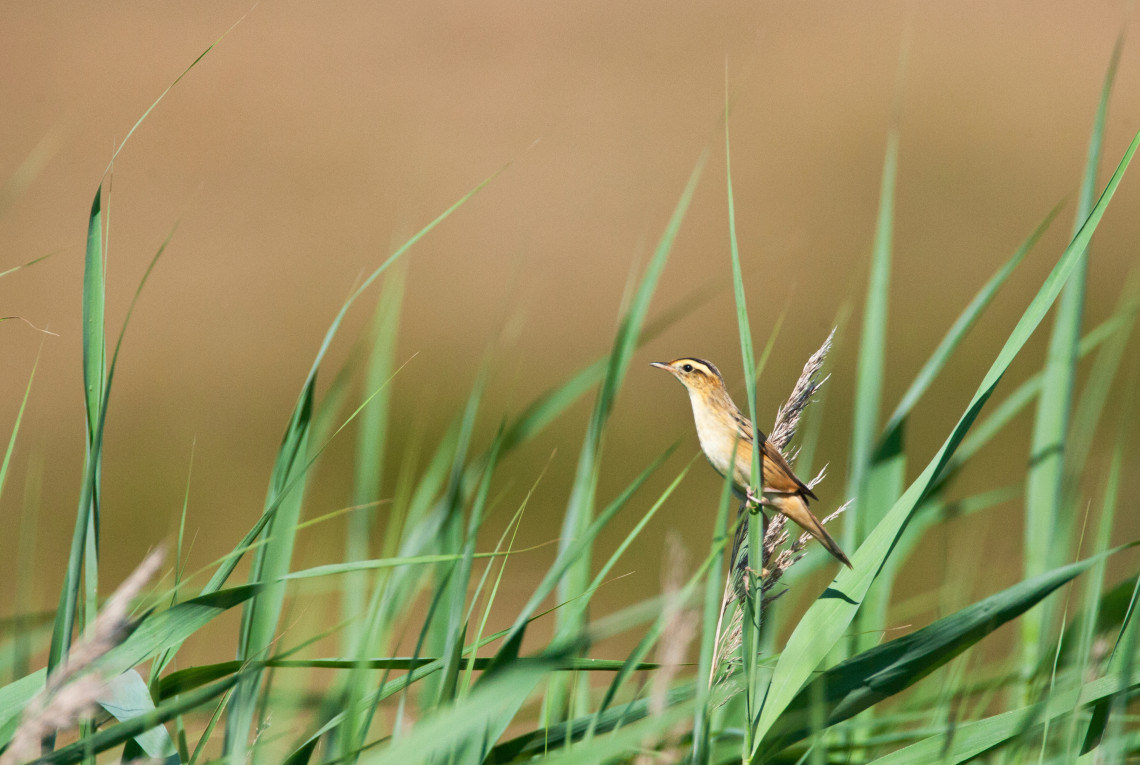
Climate facts: Why we need peatlands
Peatlands store large amounts of carbon and thus keep greenhouse gases out of the air – if they aren’t drained as they have been in Germany. But the draining can be reversed by rewetting the peatlands and using them differently. It’s as big a challenge as phasing out coal, experts say. But it’s worth the effort, as our new fact sheet shows.
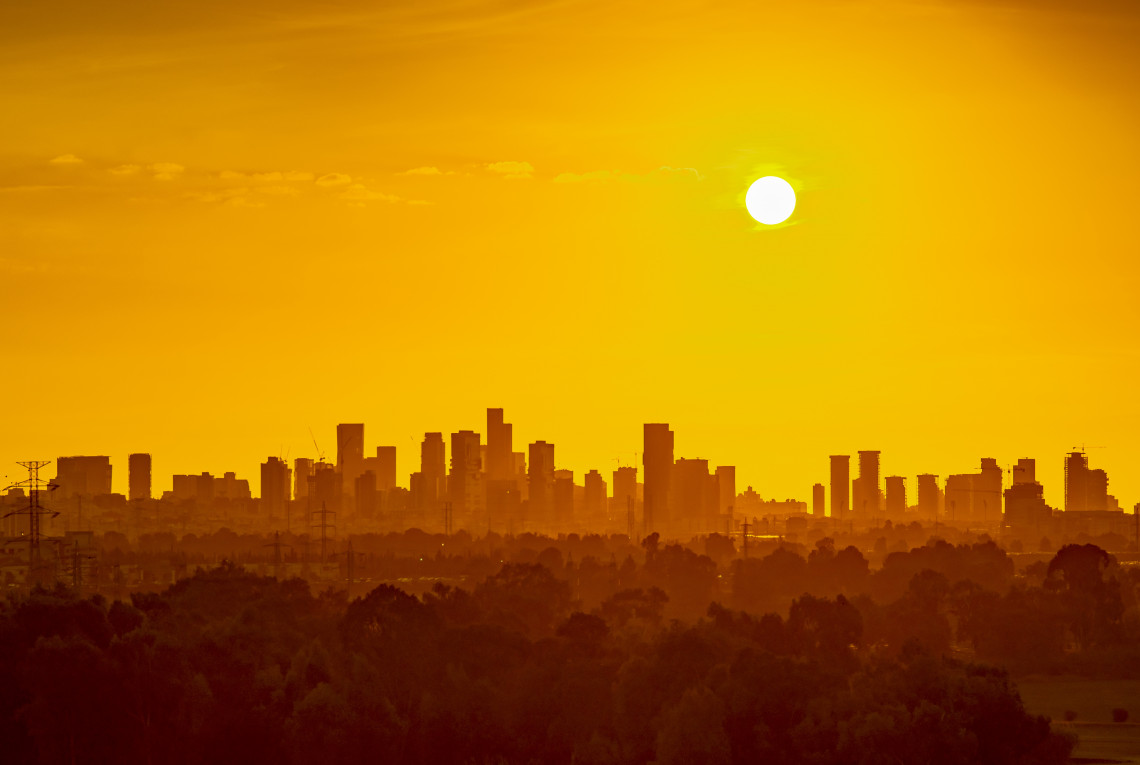
Today's weather in a tomorrow's world
In 2021, record temperatures of nearly 50 degrees were reached in Canada. Asia and Europe saw extraordinary rainfall and deadly floods. Parts of Africa and South America experienced droughts. In light of climate change, the question is: How extreme will such extreme weather events be in the future?
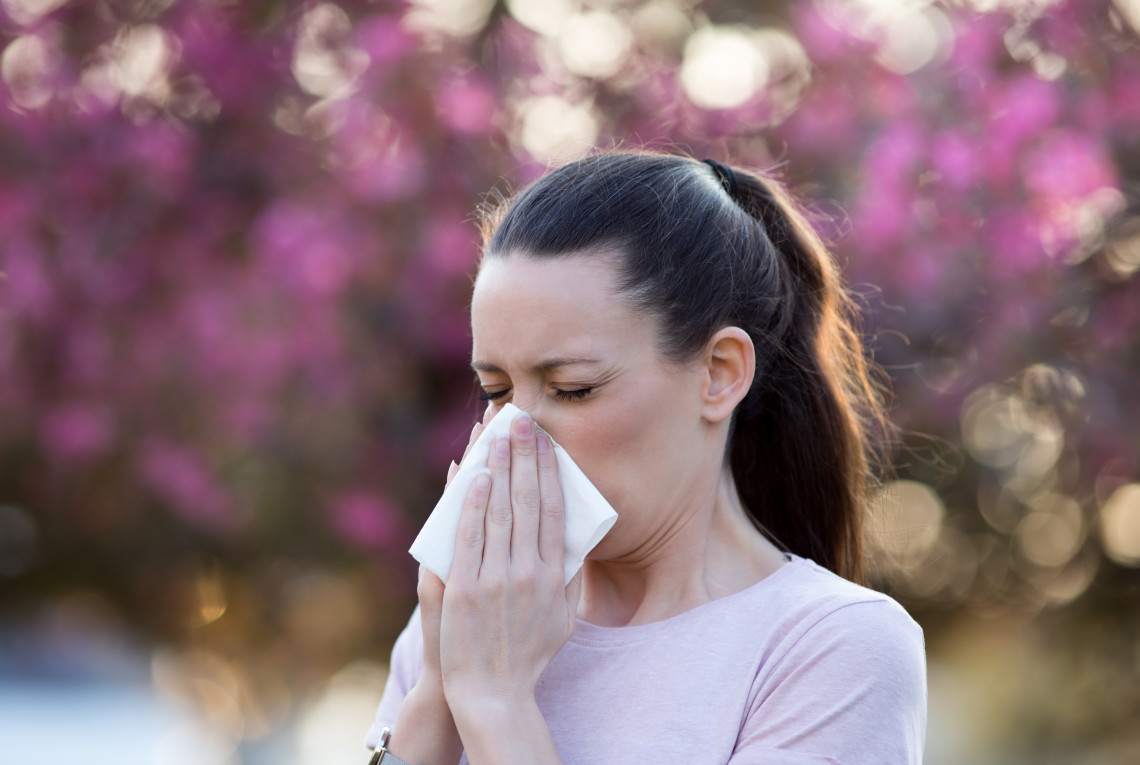
Climate and health
Climate change is a problem both for the environment and for human health. In a warmer world, heat, extreme weather events, allergies, and germs threaten to wreak havoc on our physical and mental well-being. The more we protect our climate and prepare for those consequences of climate change that are already unavoidable, the more we protect ourselves as well.
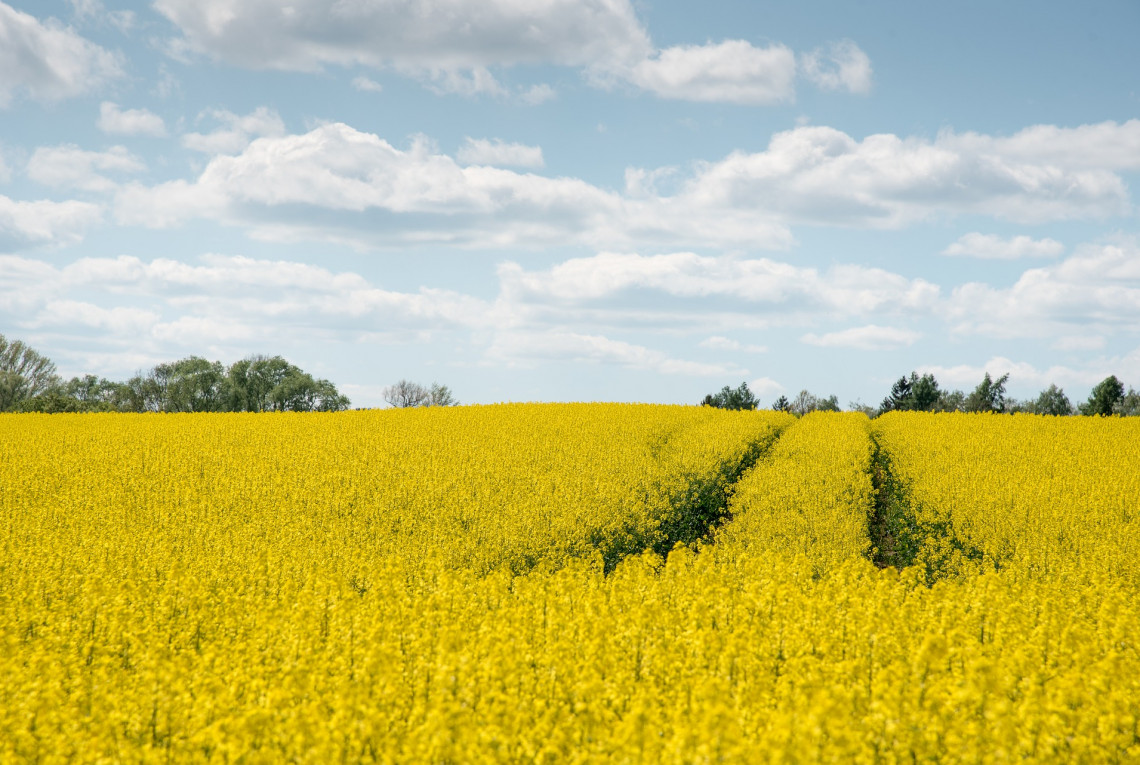
“It's a growing market”
One important element of achieving the climate goals will be to massively reduce greenhouse gas emissions. It will also be necessary to have procedures for extracting carbon dioxide from the atmosphere. What are the BECCS and DAC technologies currently capable of?
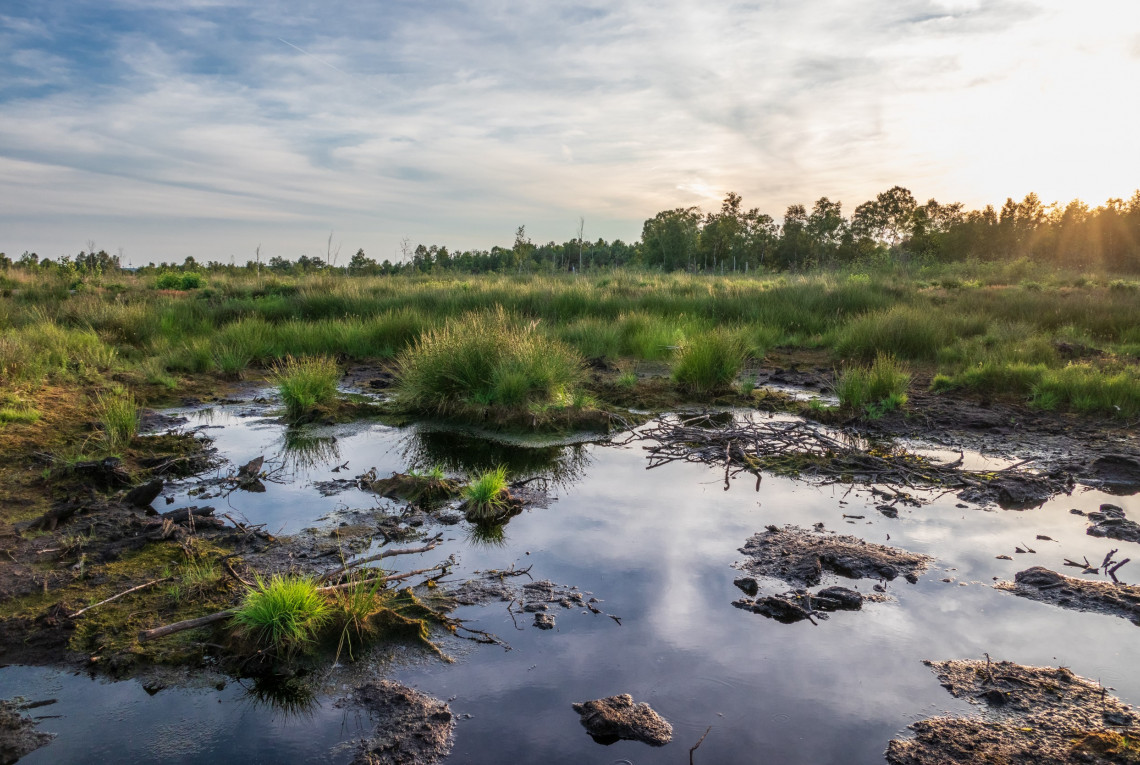
Why protecting wetlands is crucial for climate protection
They take up only small areas of land, but the amount of carbon they store is enormous: Wetlands can help us tackle climate change, if we change the way we treat them.
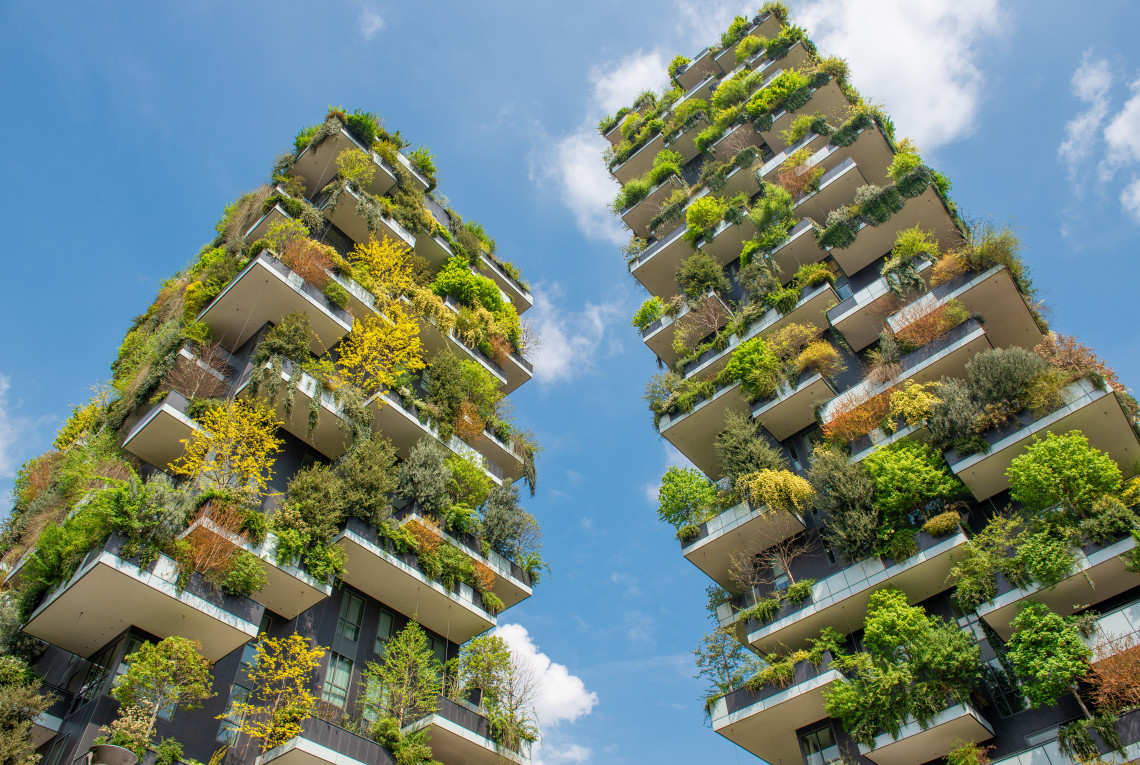
Stone on stone, fungus, or wood?
Cities are growing all over the world, and climate change is exacerbating the respective conditions for human life. Researchers are developing materials, methods, and concepts to facilitate safe and healthy living arrangements in the future as well as climate-friendly construction.
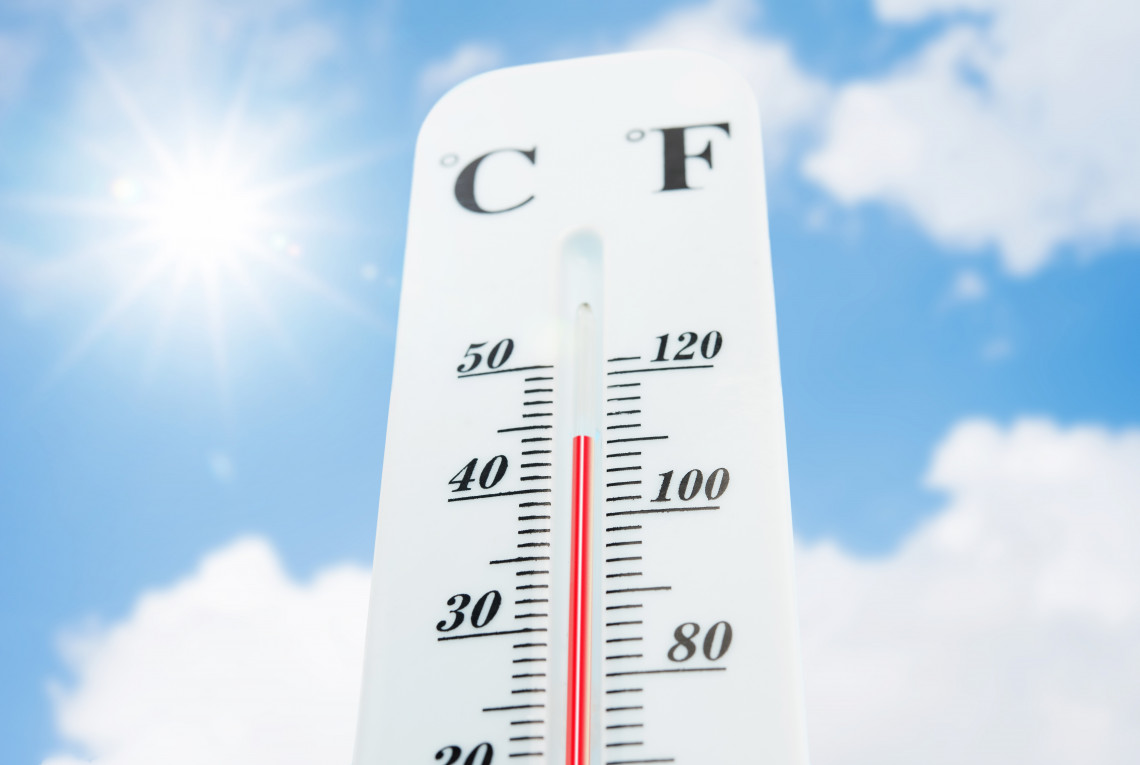
Is climate change turning our cities into heat islands?
Climate change is causing weather patterns to change and high-pressure areas to occur more frequently. The latter, in turn, provide the ideal conditions for long-lasting heat waves and heat islands.
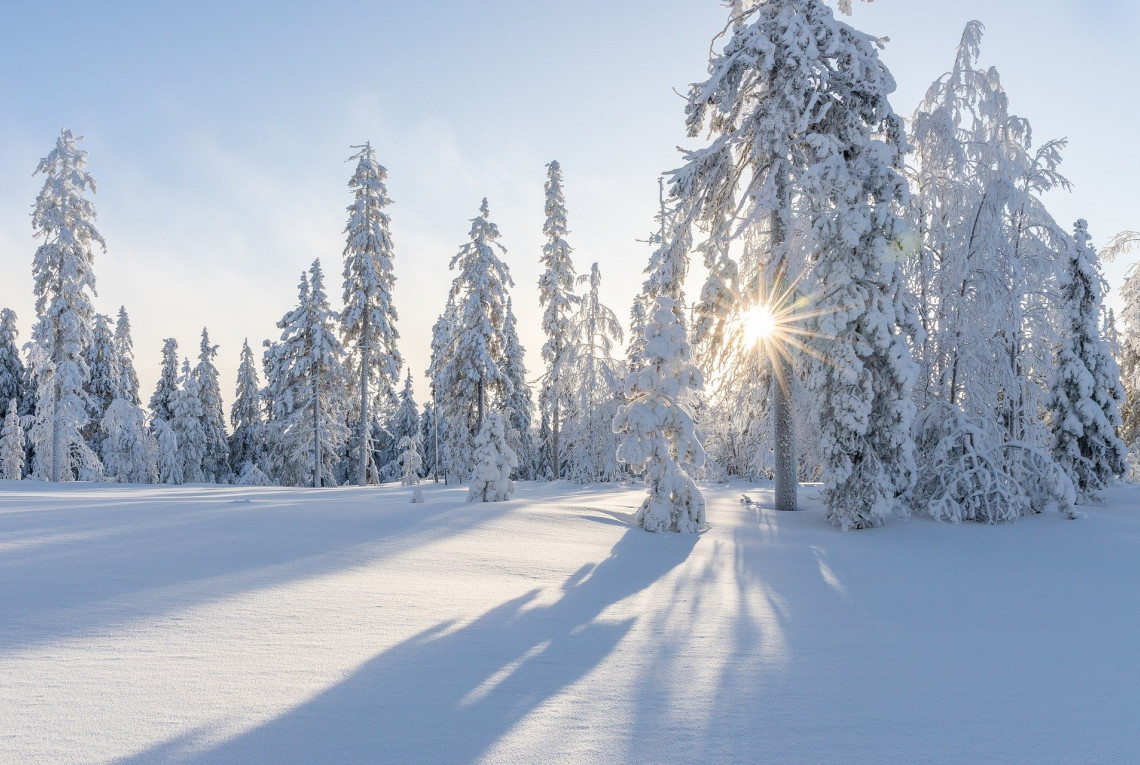
White Christmas – A Thing of the Past?
Germany seldom has the pleasure of a truly white Christmas. Climate change, however, could make such a treat even more rare. Through modeled scenarios, AWI climate researcher Helge Goessling shows what climate protection can offer.