Climate Knowledge
Search and find information on your topic
The Helmholtz Association is the largest scientific organization in Germany. Every day, the 18 Helmholtz Centers dedicate themselves to the big questions of our time. They are characterized by their interdisciplinarity, excellent research and unique infrastructure. 46,000 employees work on the world of tomorrow in six thematic areas (Energy, Earth & Environment, Health, Information, Aeronautics, Space & Transport and Matter).
Contact
Der Klimawandel stellt unsere Gesellschaft zunehmend vor komplexe Fragestellungen, die neue interdisziplinäre Ansätze verlangen. Dafür entwickeln alle 18 Helmholtz-Zentren in sechs Forschungsbereichen in unterschiedlichem Umfang wissenschaftsbasierte Lösungsansätze. Helmholtz KLIMA bereitet dieses Wissen auf und vernetzt Expert:innen mit Politik, Medien und Gesellschaft.
Related links
Kompaktes Wissen in unseren
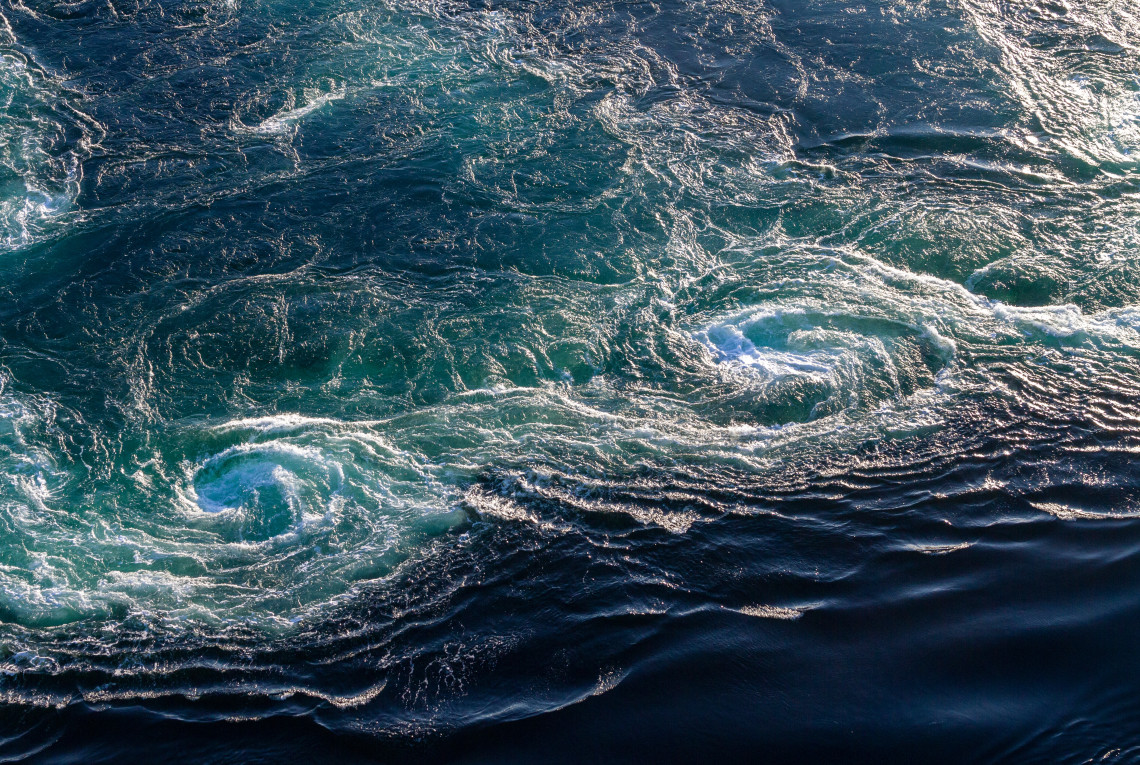
In motion: The Earth’s ocean and atmospheric currents
Currents in the oceans and atmosphere distribute heat throughout the Earth system. They are changing as global temperatures rise, with far-reaching effects on the climate in different regions of the world.
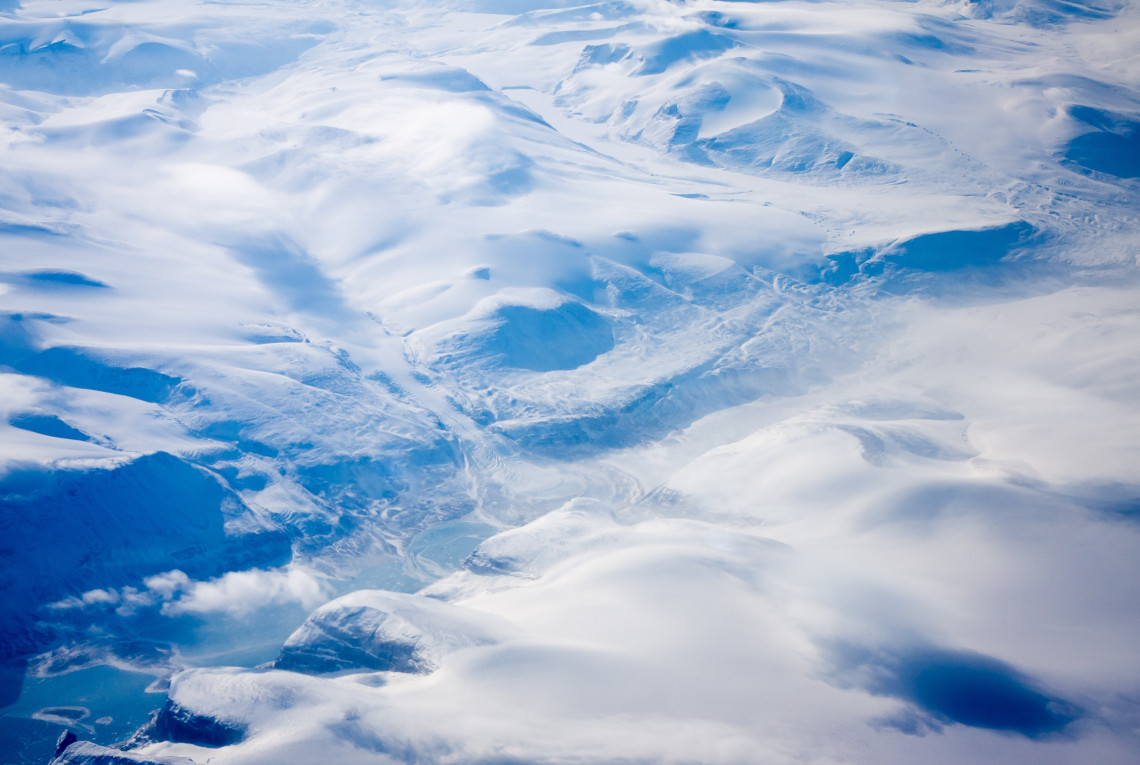
Cryosphere: Where are worlds of ice at risk of thawing?
Worlds of ice help regulate the Earth’s climate, store freshwater, and support unique ecosystems of their own. Climate change is altering the dynamics of these frozen environments and, in many places, the lives of both people and wildlife.
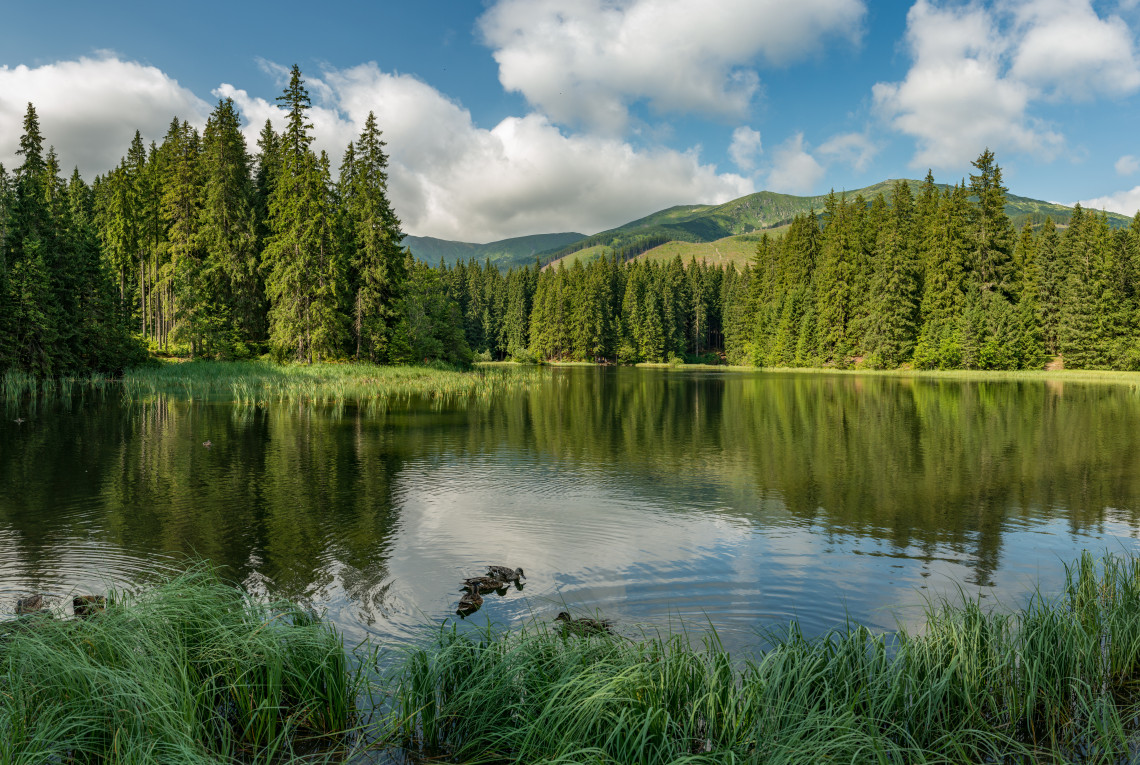
Biosphere: Ecosystems at the limits of their resilience
Climate change is altering living conditions for animals, plants, and microorganisms. Together with other forms of human interference in the natural environment, it is pushing entire ecosystems to the limits of their ability to survive. These ecosystems do more than reflect the changes taking place: when healthy, they can also help regulate the climate.
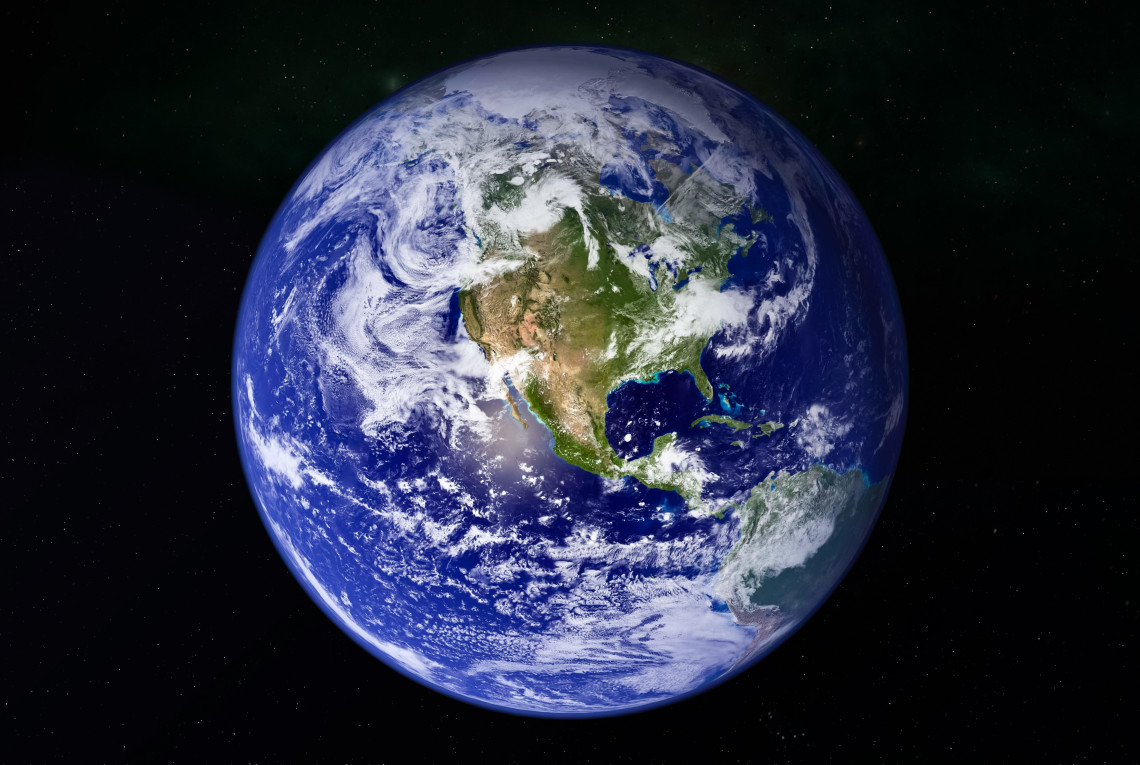
Tipping points: How we talk about climate change in the Earth system
Human activities are causing changes in the global climate system. The consequences can reach unexpected proportions if such changes continue to unfold on their own. Understanding these dynamics is important so that, as a society, we can counteract climate change and predict future living conditions.
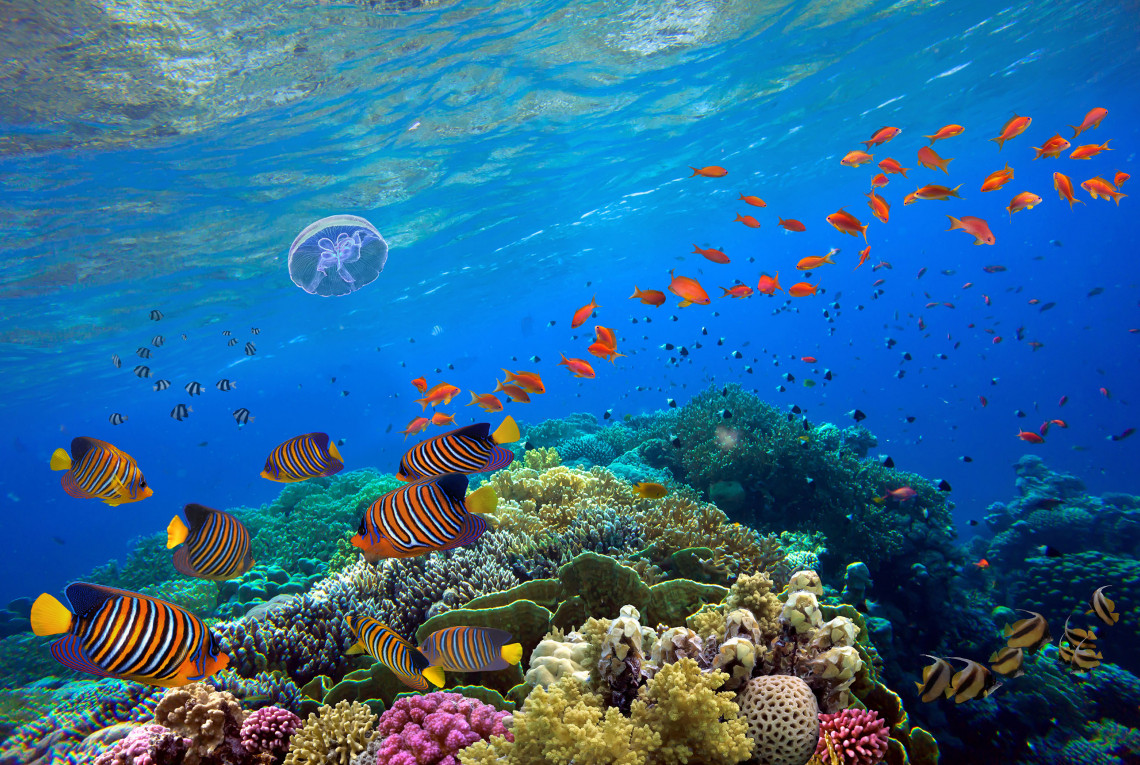
Planetary Boundaries: Oceans are becoming more acidic
Oceans are becoming more and more acidic; their pH value is decreasing, because of more and more carbon dioxide entering the atmosphere, which dissolves in oceanic water, turning into carbonic acid. This phenomenon is impacting sea creatures and marine ecosystems, which in turn will have consequences for human beings. However, the planetary boundary for acidification has not yet been exceeded.
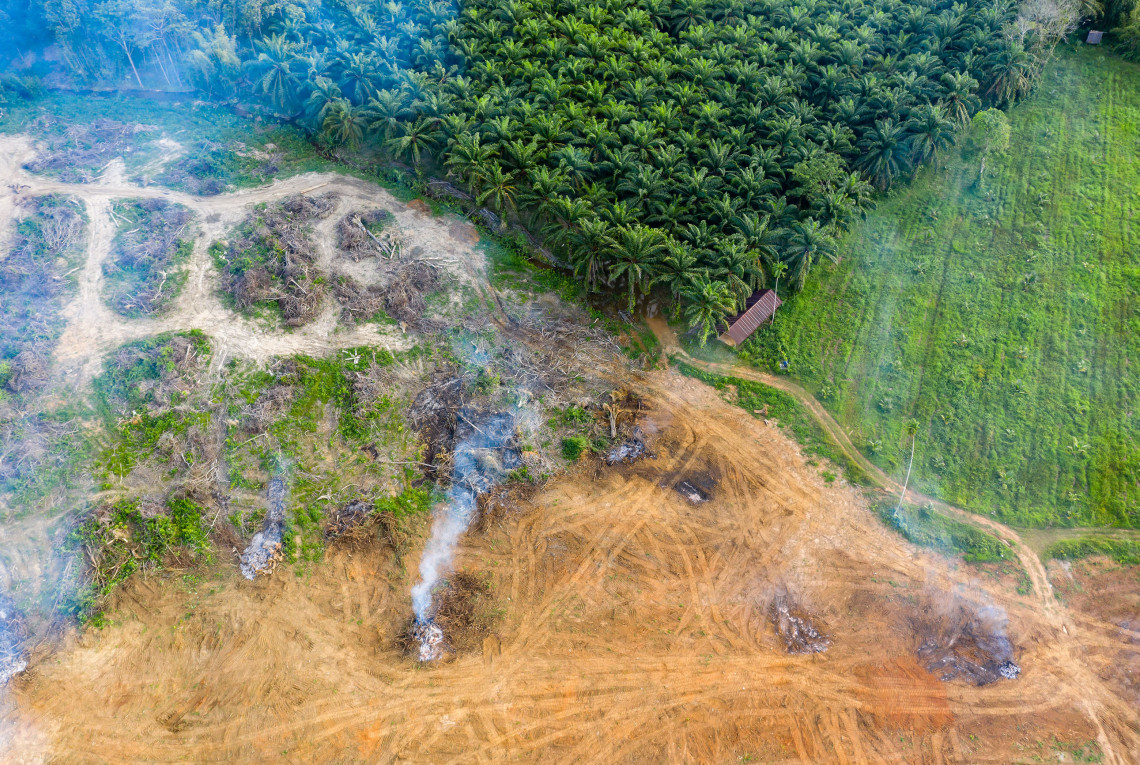
How we transform the landscape and exceed the planetary boundary
In the past 50 years, humanity has converted huge forested areas into farmland – including half of Germany’s surface area. As built-up areas expand and agriculture becomes both more extensive and more intensive, landscapes are transformed, important ecosystem functions are lost, soils are degraded, and biodiversity is diminishing.
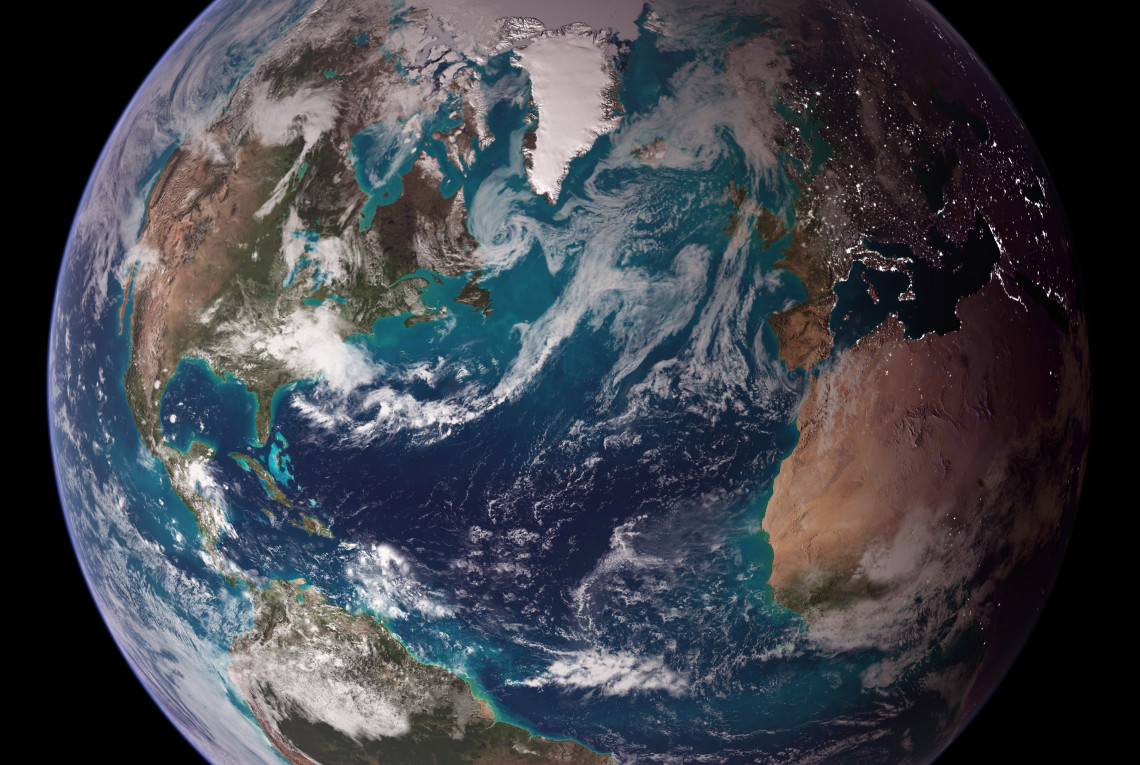
How we observe planetary boundaries
Our planet has capacity limits for air pollution, biodiversity, the extent of climate change, and other factors. The concept of planetary boundaries defines these guardrails. It comprises nine categories that are crucial to the health and viability of human civilization. We have already overstepped some of these boundaries. How can we return to the safe zone?
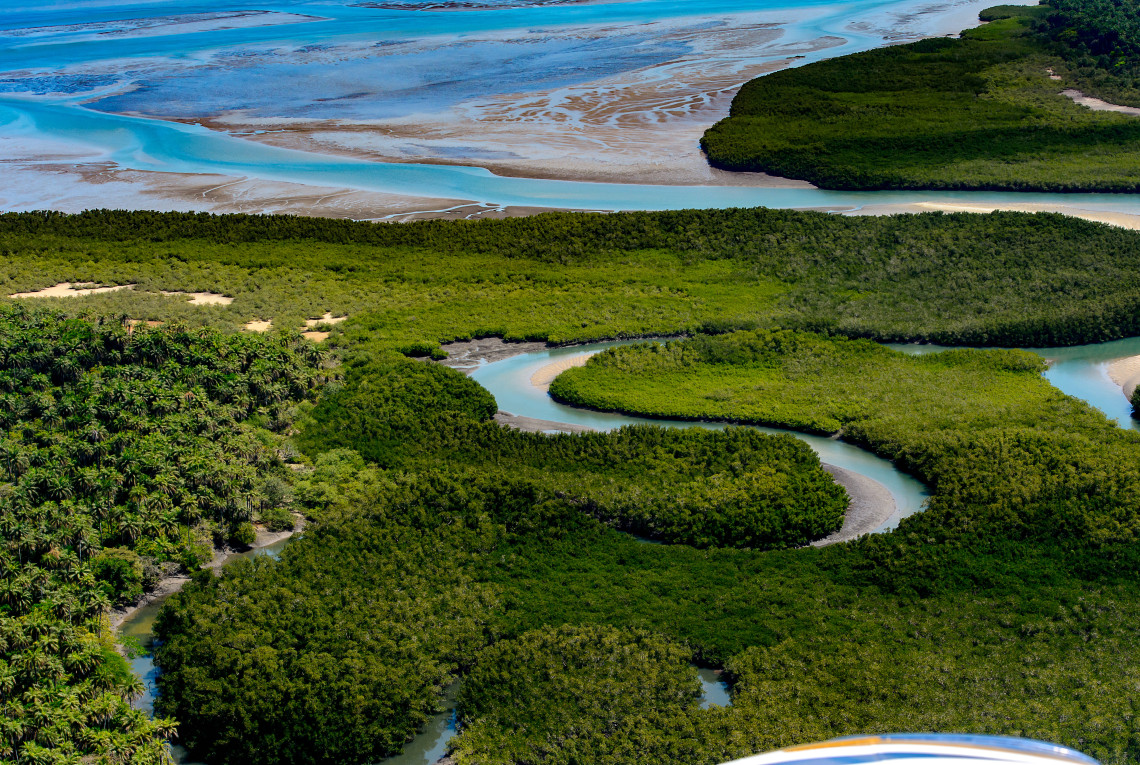
Planetary Boundaries: The wealth of the biosphere
Biodiversity and intact ecosystems are important stabilizing factors for the entire Earth system. However, human intervention in natural systems is threatening this ecological stability. Global diversity loss has accelerated such that we have already crossed this planetary boundary.

Planetary boundaries: how we saved the ozone layer
The ozone layer protects all forms of life on Earth from hazardous ultraviolet radiation. In 1985, scientists noticed that this protective shield had become considerably thinner over the Antarctic. The cause of what became known as the “ozone hole” was chlorofluorocarbons (CFCs), a group of chemicals that can also be harmful to the climate. The international community acted quickly and succeeded.