Climate Knowledge
Search and find information on your topic
The Helmholtz Association is the largest scientific organization in Germany. Every day, the 18 Helmholtz Centers dedicate themselves to the big questions of our time. They are characterized by their interdisciplinarity, excellent research and unique infrastructure. 46,000 employees work on the world of tomorrow in six thematic areas (Energy, Earth & Environment, Health, Information, Aeronautics, Space & Transport and Matter).
Contact
Der Klimawandel stellt unsere Gesellschaft zunehmend vor komplexe Fragestellungen, die neue interdisziplinäre Ansätze verlangen. Dafür entwickeln alle 18 Helmholtz-Zentren in sechs Forschungsbereichen in unterschiedlichem Umfang wissenschaftsbasierte Lösungsansätze. Helmholtz KLIMA bereitet dieses Wissen auf und vernetzt Expert:innen mit Politik, Medien und Gesellschaft.
Related links
Kompaktes Wissen in unseren
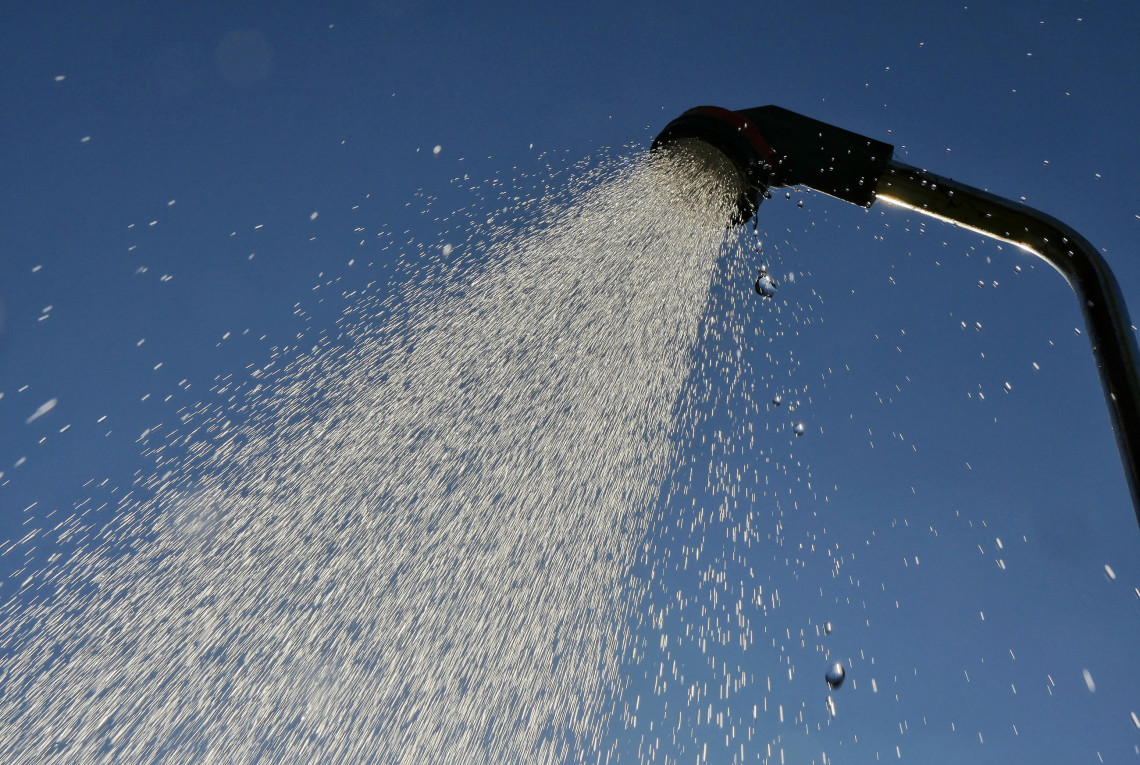
How climate change is changing our relationship with water
Drinking water for showering, washing dishes, and flushing toilets: In Germany, we use water pretty indulgently. Climate change will likely bring an end to that. What will it take to ensure our future reserves of this precious resource?
Roadmap for carbon storage
The need for negative emissions is rising with the Federal Climate Change Act.
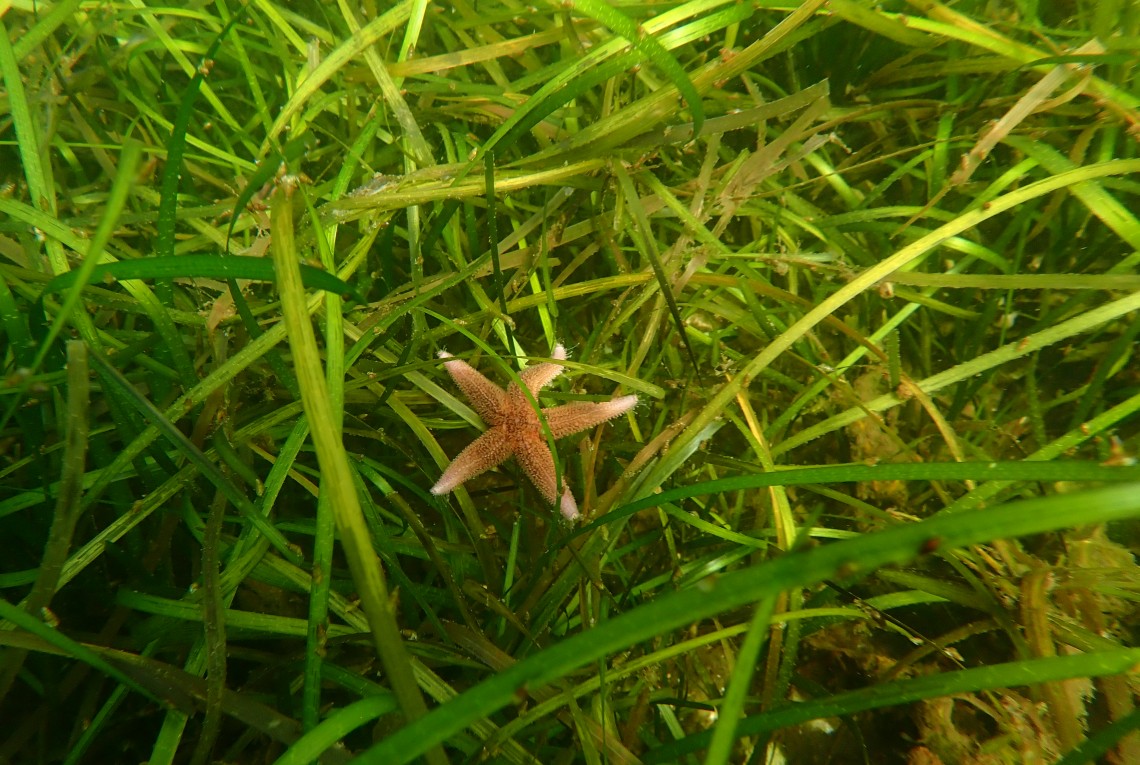
Carbon-Hotspots in the Baltic Sea
Marine plants such as seagrass meadows, mangrove forests and salt marshes sequester large amounts of carbon in the sea floor. In the German Baltic Sea, for example, seagrass meadows currently store around 3 to 12 megatons. This is significantly more than was previously known, as the first results from Dr. Angela Stevenson from GEOMAR Helmholtz Center for Ocean Research Kiel show.
“The next ice age isn’t going to materialize”
Climate change? It has always existed. In order to understand what the near future might already hold in store for us, scientists are researching what factors have been affecting this complex dynamic system for millions of years and how.
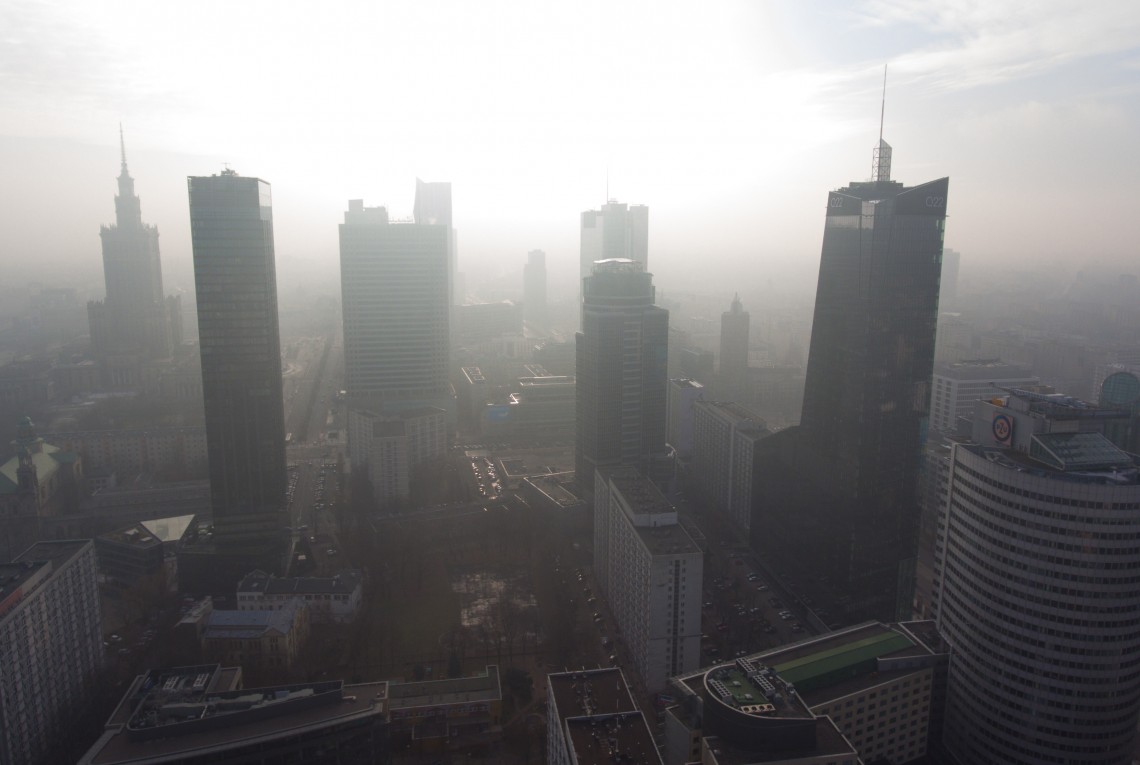
Clear(er) skies ahead
A new Helmholtz Climate Initiative factsheet spotlights the link between air pollutants and health. Meanwhile, the latest figures from the German Environment Agency offer hope: nitrogen levels in German cities decreased significantly last year.
Our carbon budget is shrinking
We can still emit about 420 gigatonnes of CO₂ if we want to limit global warming to 1.5°C by 2100. If we continue to act too slowly, we will exceed our budget within a few years. To compensate for this, we would have to actively remove CO₂ from the atmosphere. Nadine Mengis from GEOMAR explains what options we have in Germany.
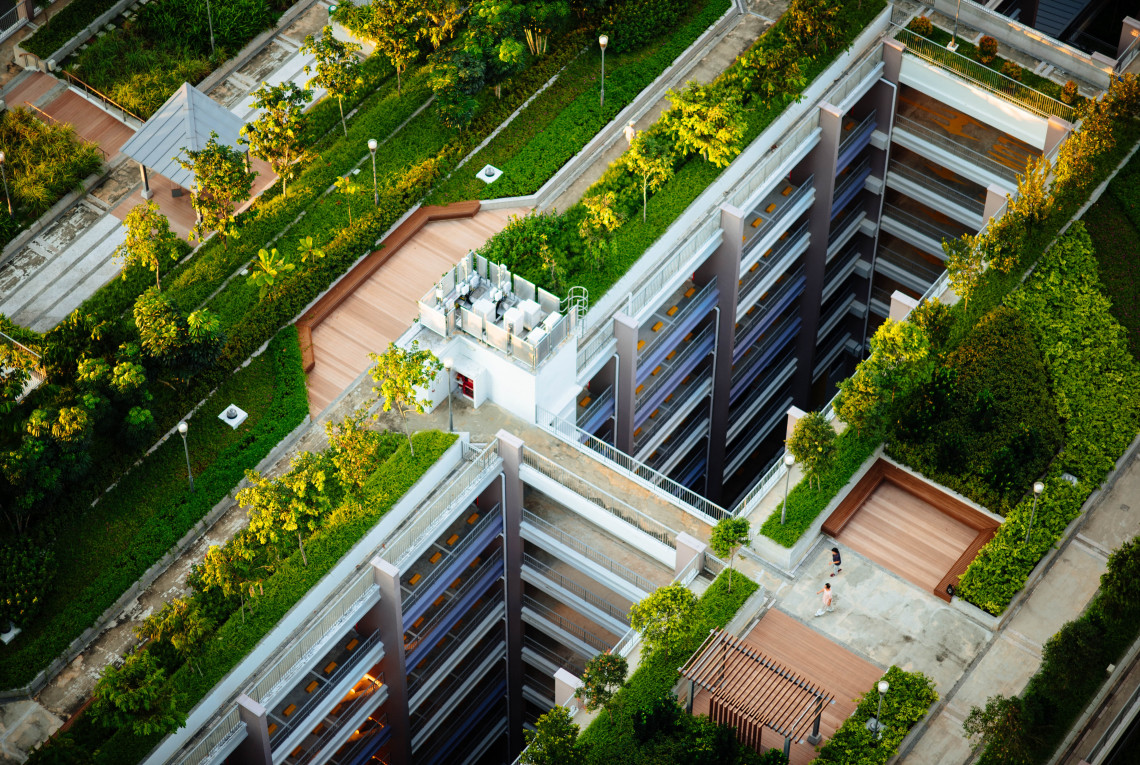
Our cities are sweating
With climate change, winters are getting shorter and weather extremes are increasing. What will cities have to look like in the future so that we can continue to live in them? Meteorologist Daniel Hertel from the Helmholtz Centre for Environmental Research - UFZ is investigating this.
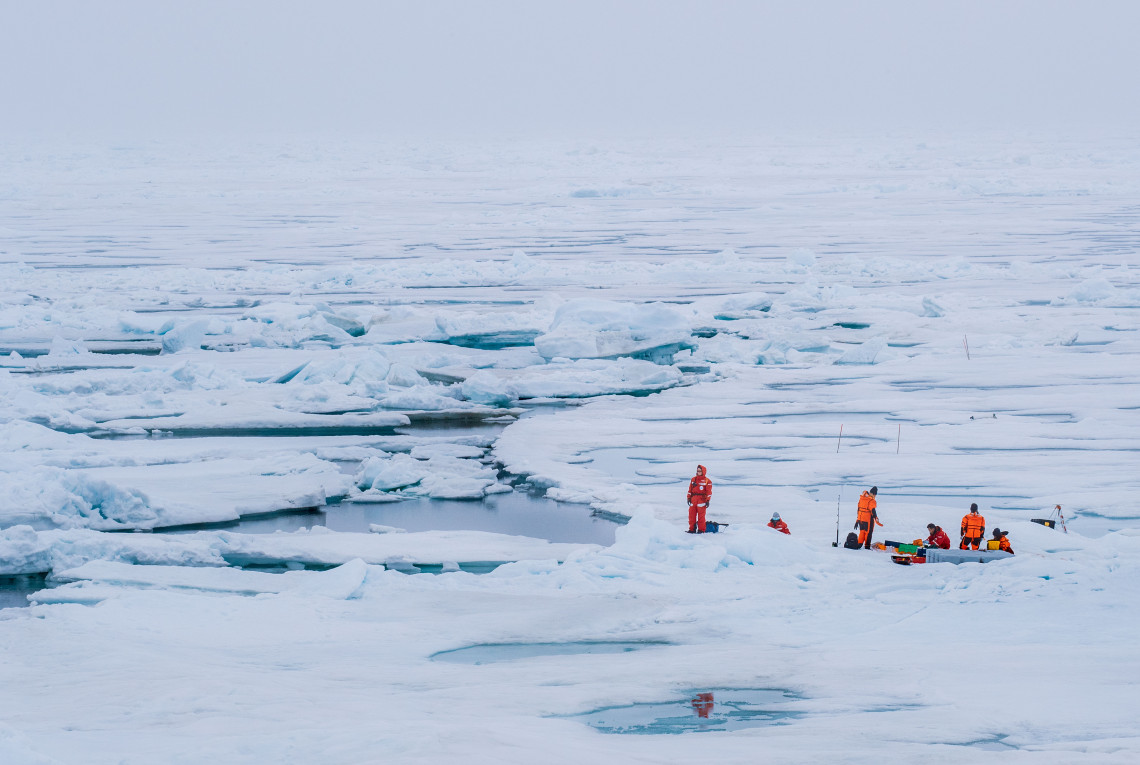
The search for a formula for the future
Over the past twelve months, researchers on the MOSAiC expedition in the Arctic have collected unique data that will help them to better understand the Earth’s complex climate interactions and to improve corresponding models.
Cooling for the Climate
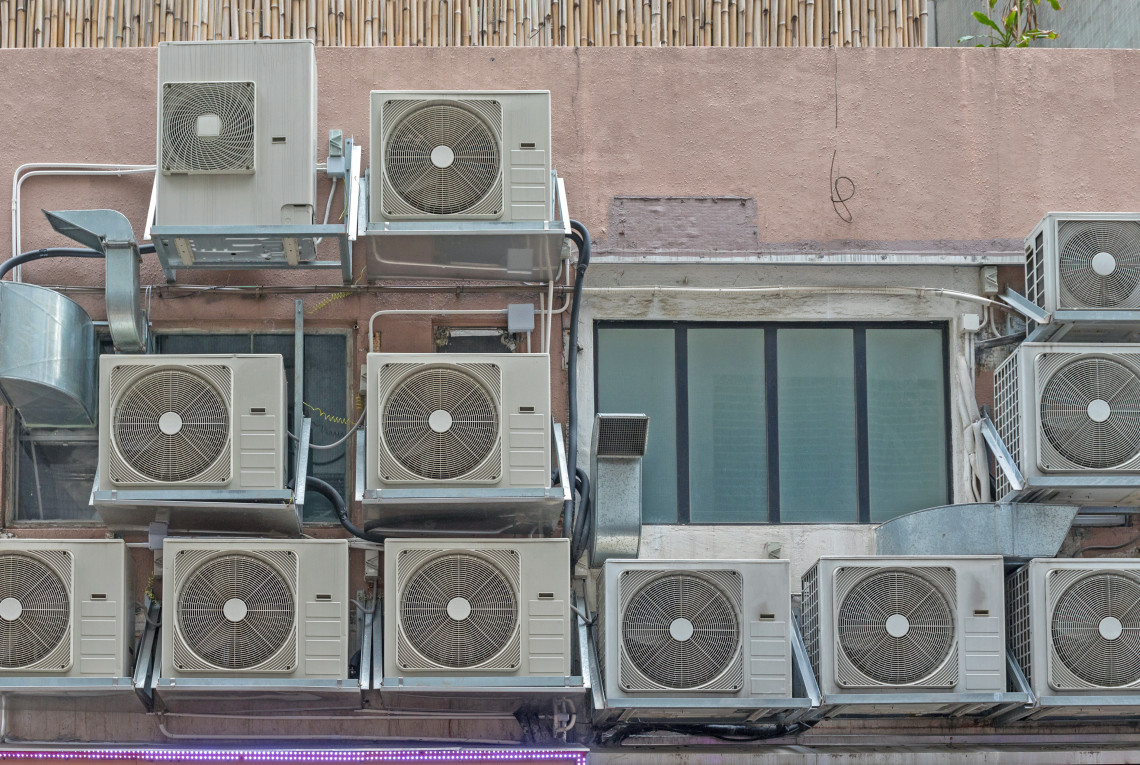
Heat and sunshine galore, but hardly any rain – rarely has it been as warm and dry as in the past two and a half years. For many people, air conditioners have helped to make day-to-day life more bearable. But as these appliances hog energy, they intensify the greenhouse effect by emitting large amounts of carbon dioxide.