Climate Knowledge
Search and find information on your topic
The Helmholtz Association is the largest scientific organization in Germany. Every day, the 18 Helmholtz Centers dedicate themselves to the big questions of our time. They are characterized by their interdisciplinarity, excellent research and unique infrastructure. 46,000 employees work on the world of tomorrow in six thematic areas (Energy, Earth & Environment, Health, Information, Aeronautics, Space & Transport and Matter).
Contact
Der Klimawandel stellt unsere Gesellschaft zunehmend vor komplexe Fragestellungen, die neue interdisziplinäre Ansätze verlangen. Dafür entwickeln alle 18 Helmholtz-Zentren in sechs Forschungsbereichen in unterschiedlichem Umfang wissenschaftsbasierte Lösungsansätze. Helmholtz KLIMA bereitet dieses Wissen auf und vernetzt Expert:innen mit Politik, Medien und Gesellschaft.
Related links
Kompaktes Wissen in unseren
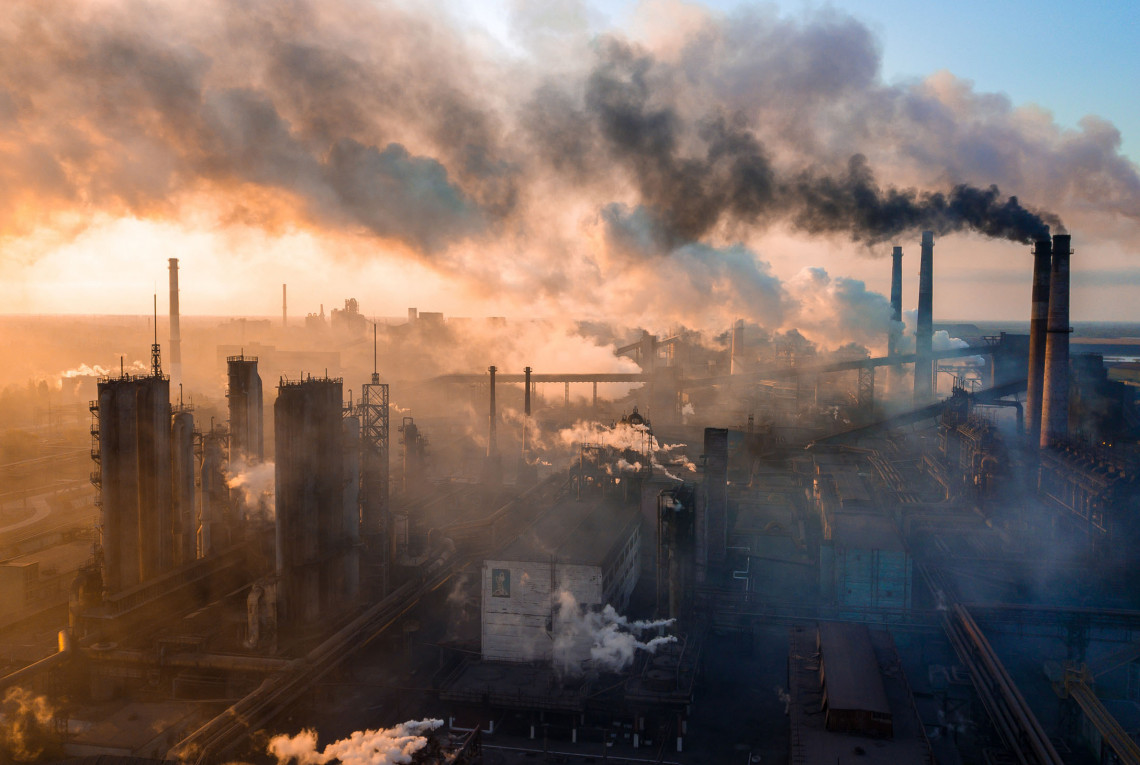
Have we exceeded the planetary boundary for air pollution?
Human activity causes the emission of small particles such as soot from combustion into the atmosphere. These particles, also called aerosols, have a growing impact on the climate system and negative effects on human health. Further research is needed to conclusively determine whether we have already overstepped the global boundary for this kind of air pollution.

Planetary boundaries: how we saved the ozone layer
The ozone layer protects all forms of life on Earth from hazardous ultraviolet radiation. In 1985, scientists noticed that this protective shield had become considerably thinner over the Antarctic. The cause of what became known as the “ozone hole” was chlorofluorocarbons (CFCs), a group of chemicals that can also be harmful to the climate. The international community acted quickly and succeeded.
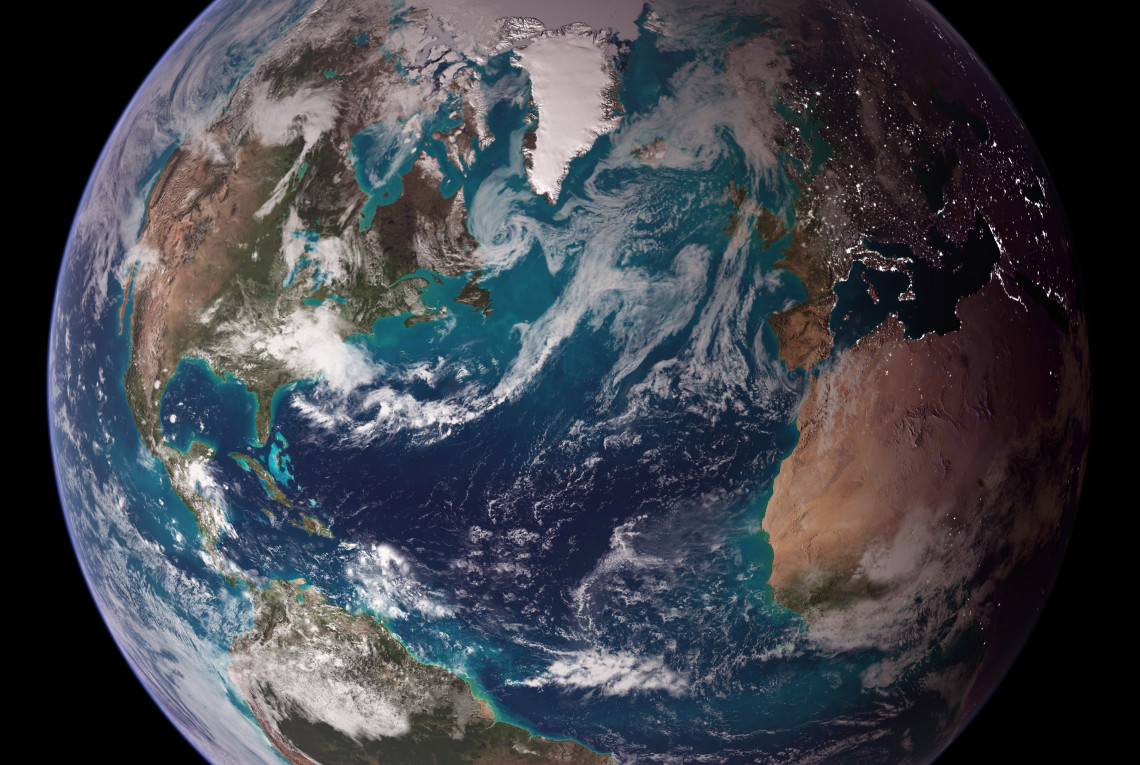
How we observe planetary boundaries
Our planet has capacity limits for air pollution, biodiversity, the extent of climate change, and other factors. The concept of planetary boundaries defines these guardrails. It comprises nine categories that are crucial to the health and viability of human civilization. We have already overstepped some of these boundaries. How can we return to the safe zone?
Freshwater as a planetary boundary: blue water and green water
The availability of freshwater and moist, temperate air is crucially important for humans, plants and many other life forms. Until now, researchers assumed that we have not yet exceeded the planetary boundary for the earth’s hydrological balance. But now it appears that the ‘green water’ is falling to ever-lower levels.
Why chemicals and plastics pose a risk to our future
Humanity has released and spread numerous new substances into the environment. Since they were rarely or never involved in evolutionary processes, organisms have not been able to develop strategies to cope with these xenobiotics. These foreign substances can be poisonous, persistent, highly mobile and can affect our health and the Earth system.

How CO₂ can be removed from the air
To achieve the goals of the Paris Agreement and limit global warming to 1.5 to 2 degrees Celsius, it will not be enough to emit less carbon (CO₂). In addition, CO₂ must also be removed from the atmosphere. What processes are available?
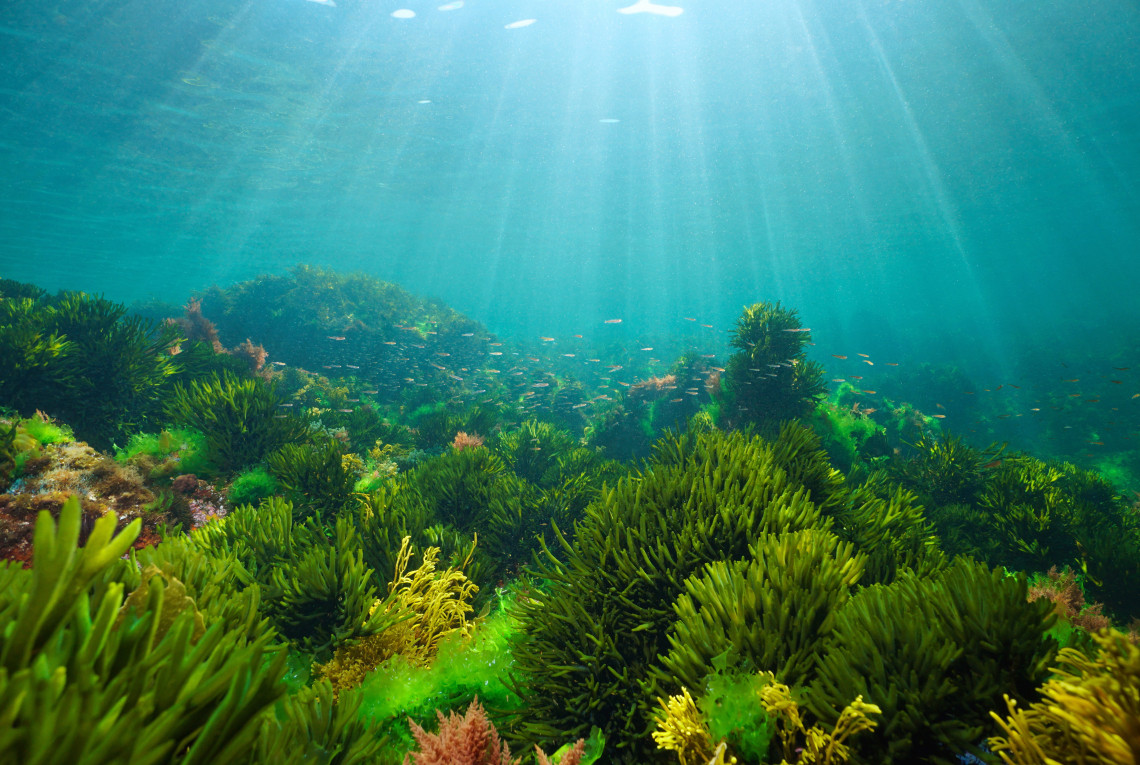
Ensuring responsible research on ocean-based carbon removal
Attention to ocean-based carbon dioxide removal (CDR) methods is growing fast. While many questions, including environmental and social risks, still need to be assessed, research on ocean-based CDR should be conducted in a safe and responsible way, says David Keller, senior scientist at the GEOMAR Helmholtz Centre for Ocean Research Kiel.

Carbon neutrality, greenhouse gas neutrality and climate neutrality
In the 2015 Paris Climate Agreement, the signatory states pledged to balance the emission and removal of greenhouse gases by 2050.
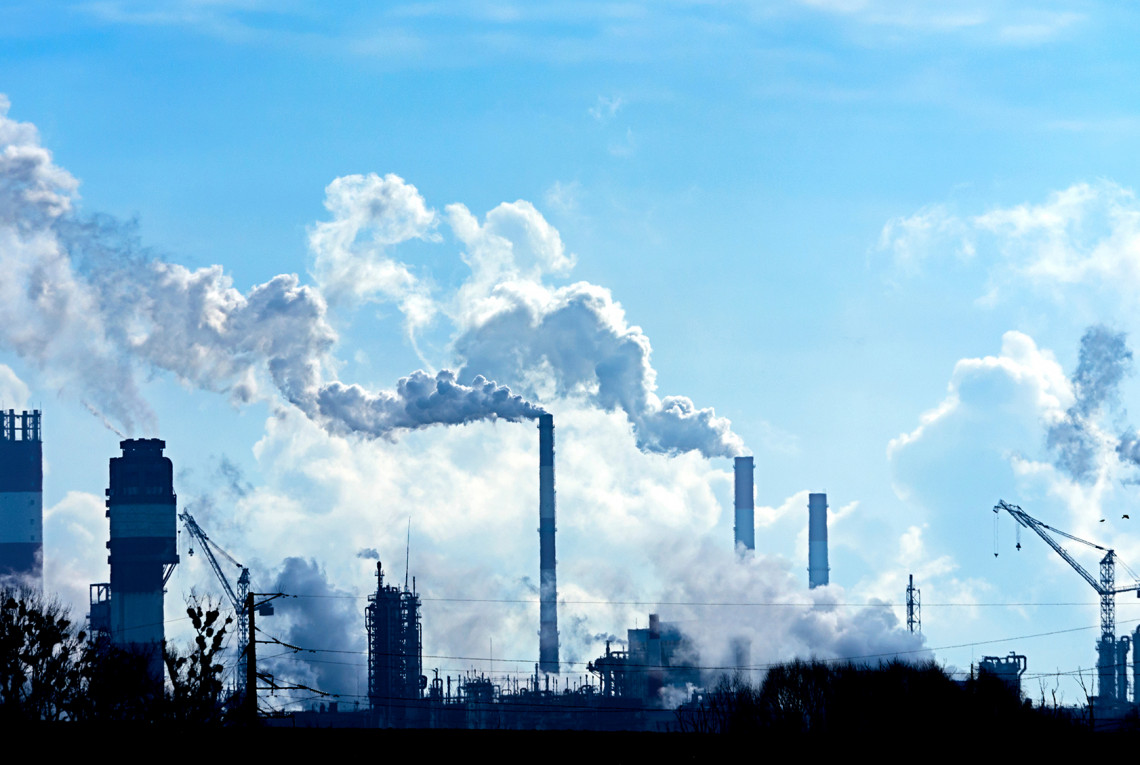
Carbon dioxide removal as a building block of German climate policy
In order to achieve the Paris climate targets, greenhouse gas emissions must be massively reduced. In addition, CO₂ that has already been emitted must be removed from the atmosphere. Scientists at the Helmholtz Center for Environmental Research - UFZ have set out definitions and principles for CO₂ removal in a paper.