Climate Knowledge
Search and find information on your topic
The Helmholtz Association is the largest scientific organization in Germany. Every day, the 18 Helmholtz Centers dedicate themselves to the big questions of our time. They are characterized by their interdisciplinarity, excellent research and unique infrastructure. 46,000 employees work on the world of tomorrow in six thematic areas (Energy, Earth & Environment, Health, Information, Aeronautics, Space & Transport and Matter).
Contact
Der Klimawandel stellt unsere Gesellschaft zunehmend vor komplexe Fragestellungen, die neue interdisziplinäre Ansätze verlangen. Dafür entwickeln alle 18 Helmholtz-Zentren in sechs Forschungsbereichen in unterschiedlichem Umfang wissenschaftsbasierte Lösungsansätze. Helmholtz KLIMA bereitet dieses Wissen auf und vernetzt Expert:innen mit Politik, Medien und Gesellschaft.
Related links
Kompaktes Wissen in unseren
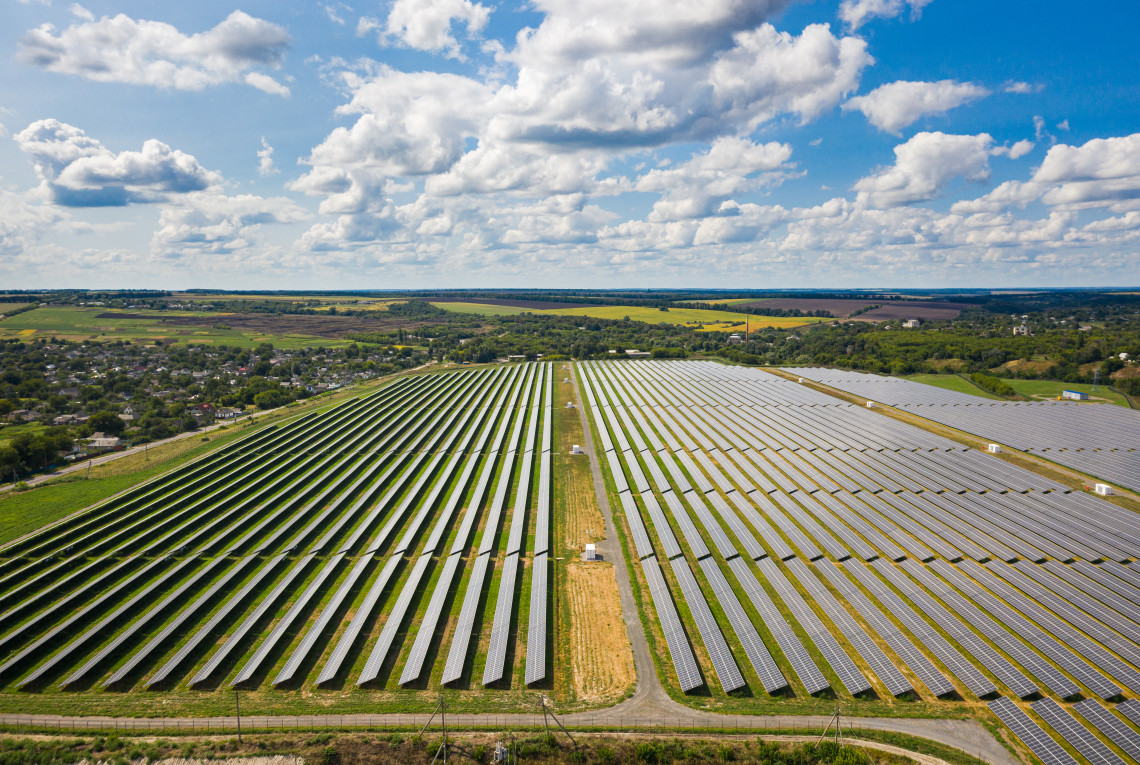
How do solar modules affect their surroundings?
Along with wind, the sun is one of Germany's most important sources of renewable energy. Solar cells convert incoming sunlight into electric current.

For the climate: Avoiding excessive food waste
Food losses and food waste cause up to 10 percent of global human-induced greenhouse gas emissions. We could avoid a substantial portion of that by setting binding reduction targets and raising awareness of the problem. The benefits for the climate would be huge.
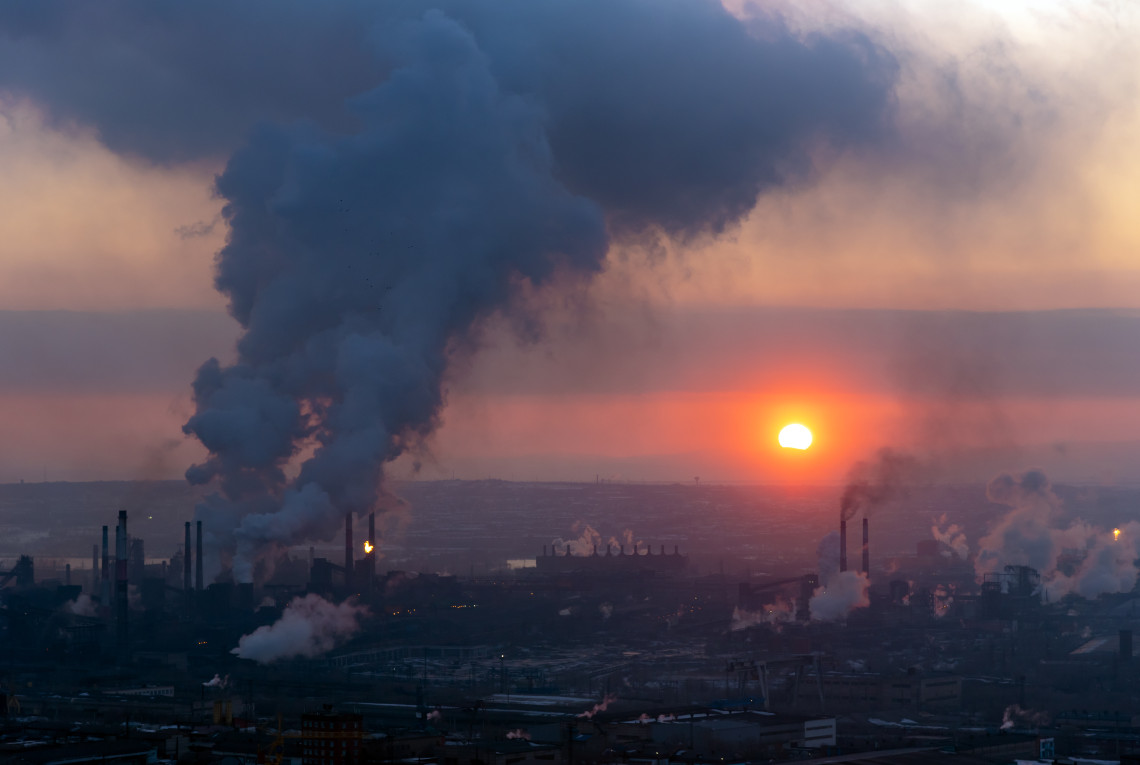
What are emissions and how do they occur?
Emissions are one of the driving forces behind global warming. They are particles, substances, or radiation released into the atmosphere.

Zoonoses in times of climate change: humans, animals, mutations
Humans are encroaching more and more on the natural world, leading to more contacts between people and animals in which diseases can be transmitted. COVID-19 and monkeypox are the most recent examples. Climate change is exacerbating the problem by forcing many animals to move to new areas. They can bring diseases with them. Vaccinations can help, but we need other ways to reduce the risks.

Digitalization: is it slowing or accelerating climate change?
Online shopping, streaming videos, gaming ... digital technologies are playing an ever-larger role in our everyday lives. That can be problematic for protecting the climate. It is important to use technology wisely: otherwise, we risk unnecessary waste of energy and other resources.
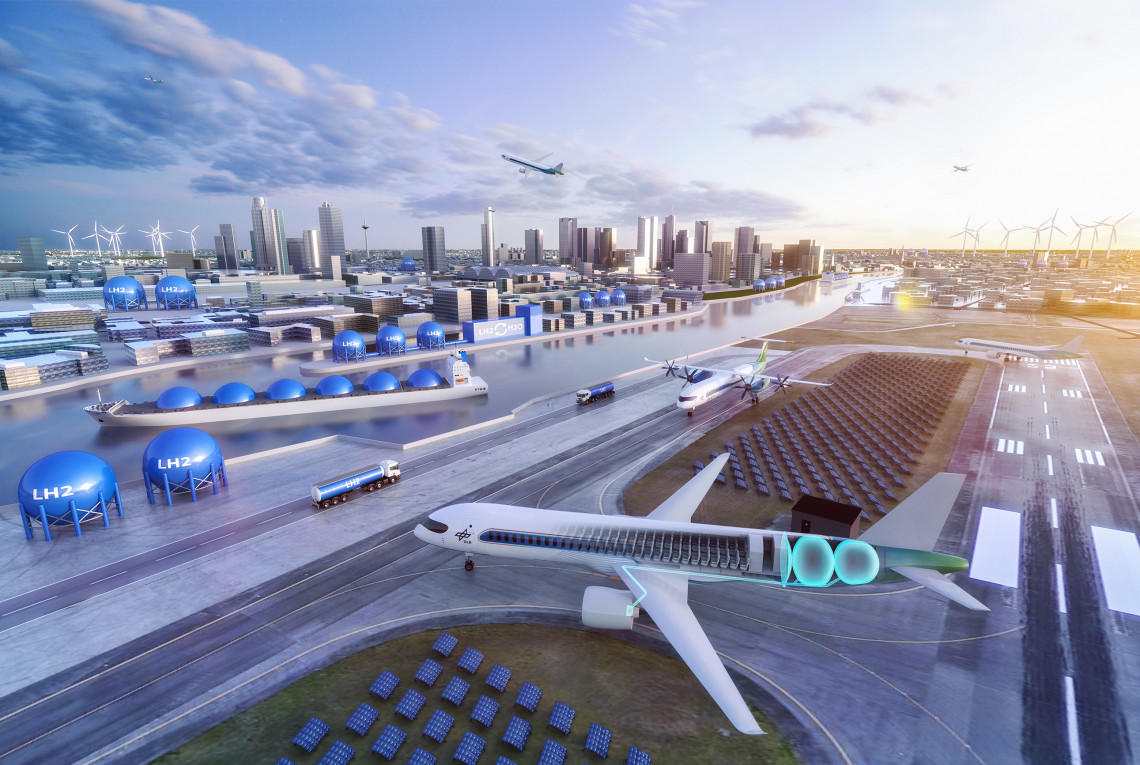
Climate-friendly flight: Researchers are as busy as bees
Innovative aircraft models, synthetic alternatives to jet fuel, climate-preserving routes to destination airports: researchers are working on many approaches to making aviation more environmentally friendly. But for the foreseeable future, flight that is completely free of emissions will remain a dream.
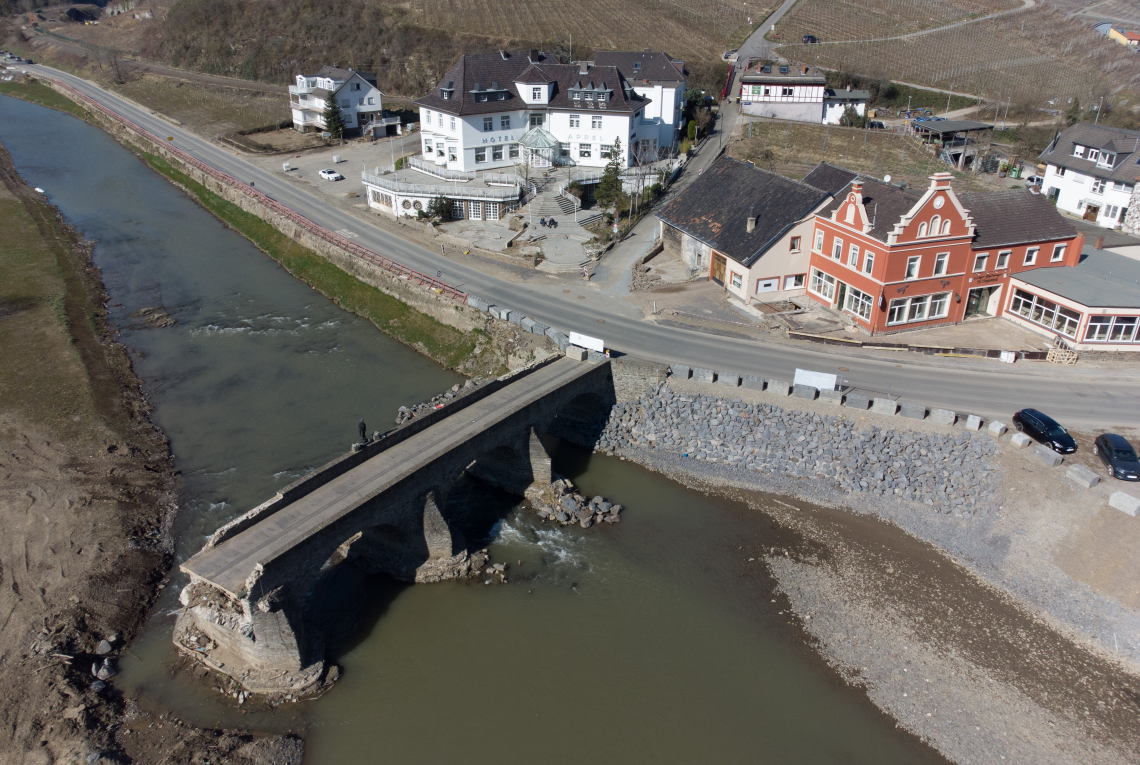
Making Climate-Resilient Cities
After devastating consequences in several German states following the heavy rains of July 2021, cities and municipalities across the country are searching for ways to better adapt to extreme weather events. A total of 22 scientists, working under the coordination of the Helmholtz Center for Environmental Research (UFZ) in Leipzig, defined five major principles in the immediate aftermath of the flo

A Caribbean curse
The US weather agency NOAA has just released an alarming outlook for the 2022 hurricane season. According to the report, this year could be an especially intense hurricane year. NOAA cites climate change as the cause.

Why we don’t have to completely do without our cars
In order to meet Germany’s greenhouse gas reduction targets, we need to change our mobility habits radically. But that doesn’t mean we have to completely do without cars. Why so many people still find that difficult – and how alternatives can become more attractive.