Climate Knowledge
Search and find information on your topic
The Helmholtz Association is the largest scientific organization in Germany. Every day, the 18 Helmholtz Centers dedicate themselves to the big questions of our time. They are characterized by their interdisciplinarity, excellent research and unique infrastructure. 46,000 employees work on the world of tomorrow in six thematic areas (Energy, Earth & Environment, Health, Information, Aeronautics, Space & Transport and Matter).
Contact
Der Klimawandel stellt unsere Gesellschaft zunehmend vor komplexe Fragestellungen, die neue interdisziplinäre Ansätze verlangen. Dafür entwickeln alle 18 Helmholtz-Zentren in sechs Forschungsbereichen in unterschiedlichem Umfang wissenschaftsbasierte Lösungsansätze. Helmholtz KLIMA bereitet dieses Wissen auf und vernetzt Expert:innen mit Politik, Medien und Gesellschaft.
Related links
Kompaktes Wissen in unseren
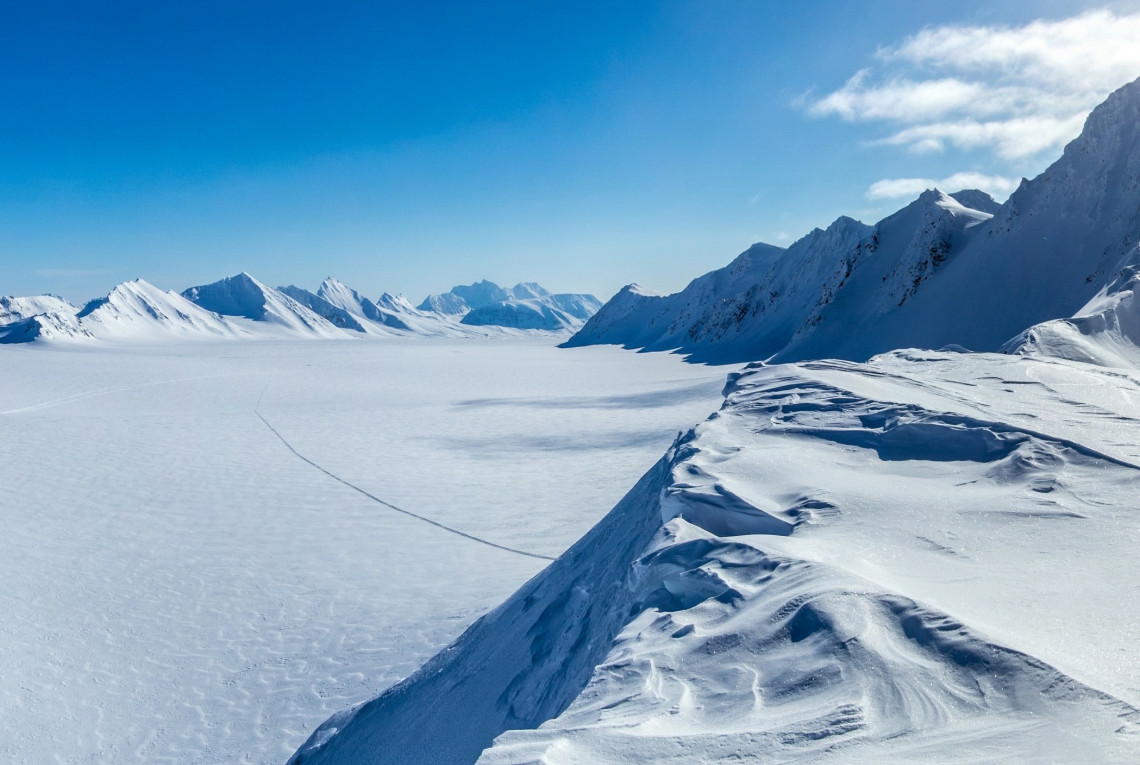
Why are ice sheets important for our climate?
Ice sheets are large and mighty ice masses that rest on solid ground. They are formed from snow, which gradually turns into ice under the pressure of newly forming layers. New ice is constantly formed from above by snowfall, while pressure and geothermal heat often cause a certain amount of melting on the lower surface.
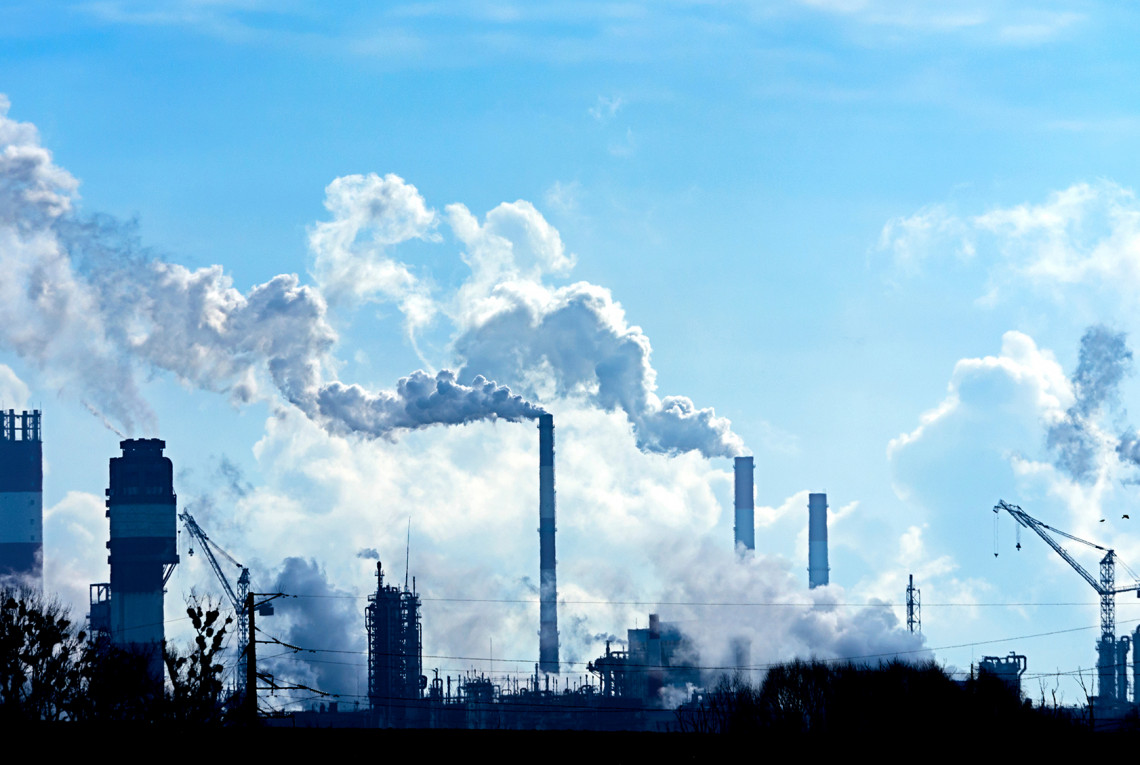
What is carbon dioxide and why is it a problem for the climate?
Molecules of carbon dioxide gas (CO₂) consist of one carbon atom and two oxygen atoms. Carbon dioxide is a natural constituent of our air, but its concentration is very low. CO₂ makes up only about 0.04 percent of the air by volume; air is mostly nitrogen and oxygen. That doesn’t sound like much, but CO₂ still plays a very important role.
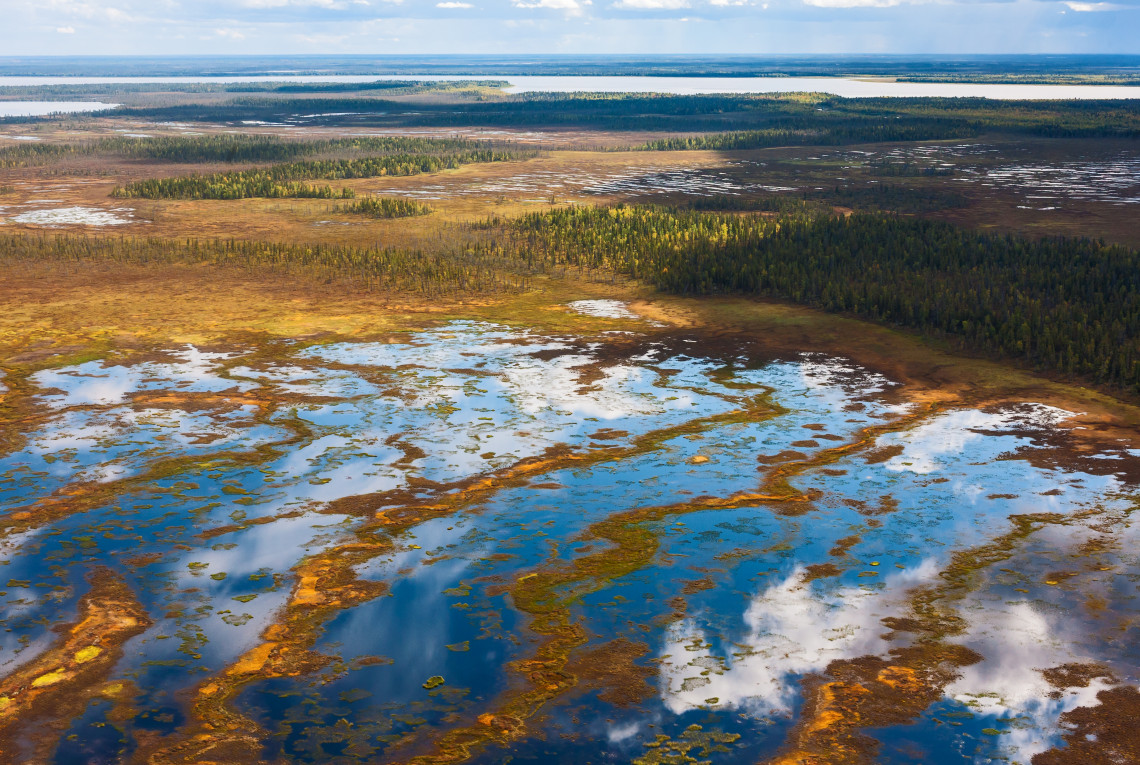
How does climate change affect permafrost?
Permafrost is frozen soil whose temperature stays below freezing (0°C) for at least two consecutive years. It forms about 15 percent of the land surface in the Northern Hemisphere and 10 percent of the Earth’s surface. Permafrost regions include the Arctic and some parts of the Antarctic.
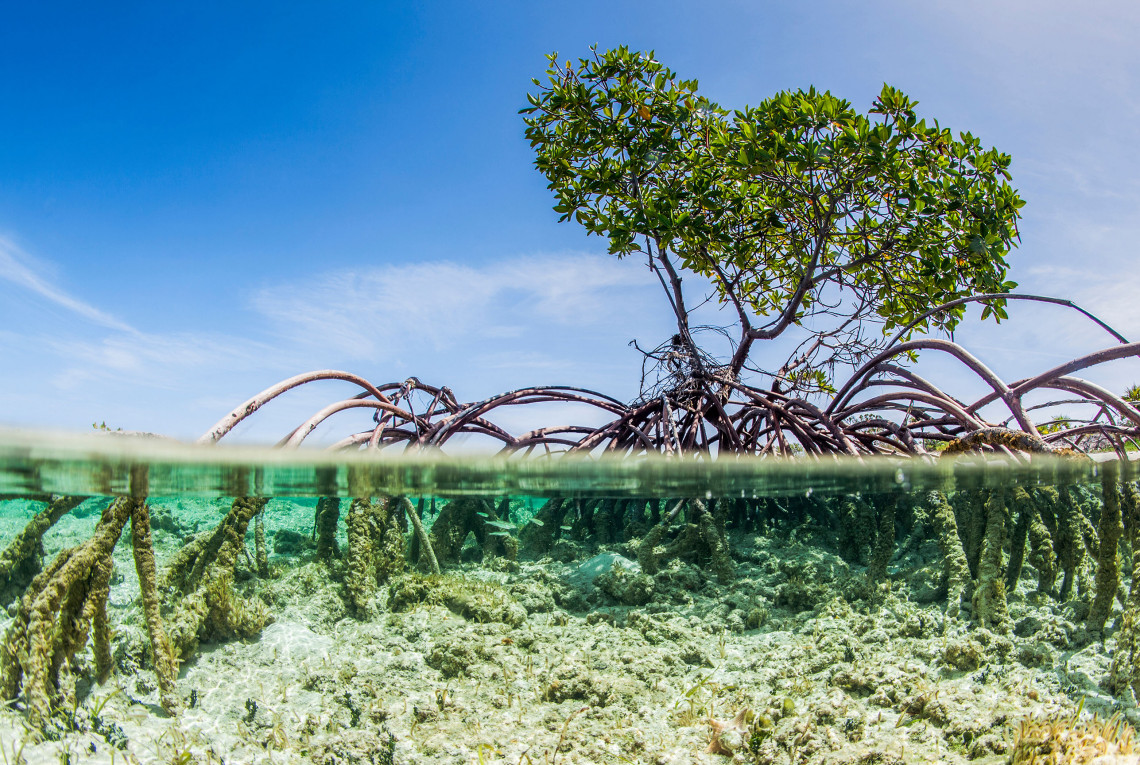
How do mangroves store carbon?
Mangroves are trees that grow on coasts where the water is warm and salty. They form forests in the upper intertidal zone, mainly in the tropics. The mangrove forest ecosystem includes various species of plants that are adapted to contact with salt water from the ocean and from estuaries.
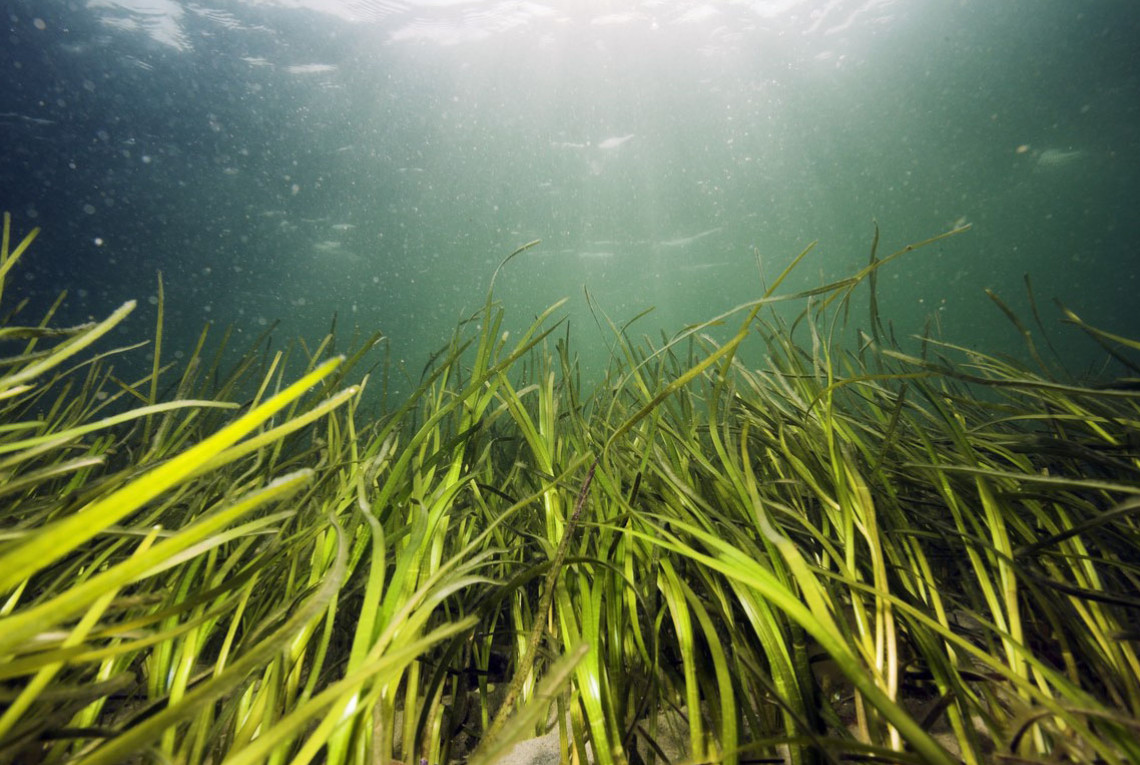
How does seagrass help tackle climate change?
Seagrasses are marine plants that live in coastal waters of all continents, except Antarctica. They form large underwater meadows which cover shallow parts of the ocean floor. These dense, green ecosystems take up carbon dioxide (CO₂), and keep it buried below ground.
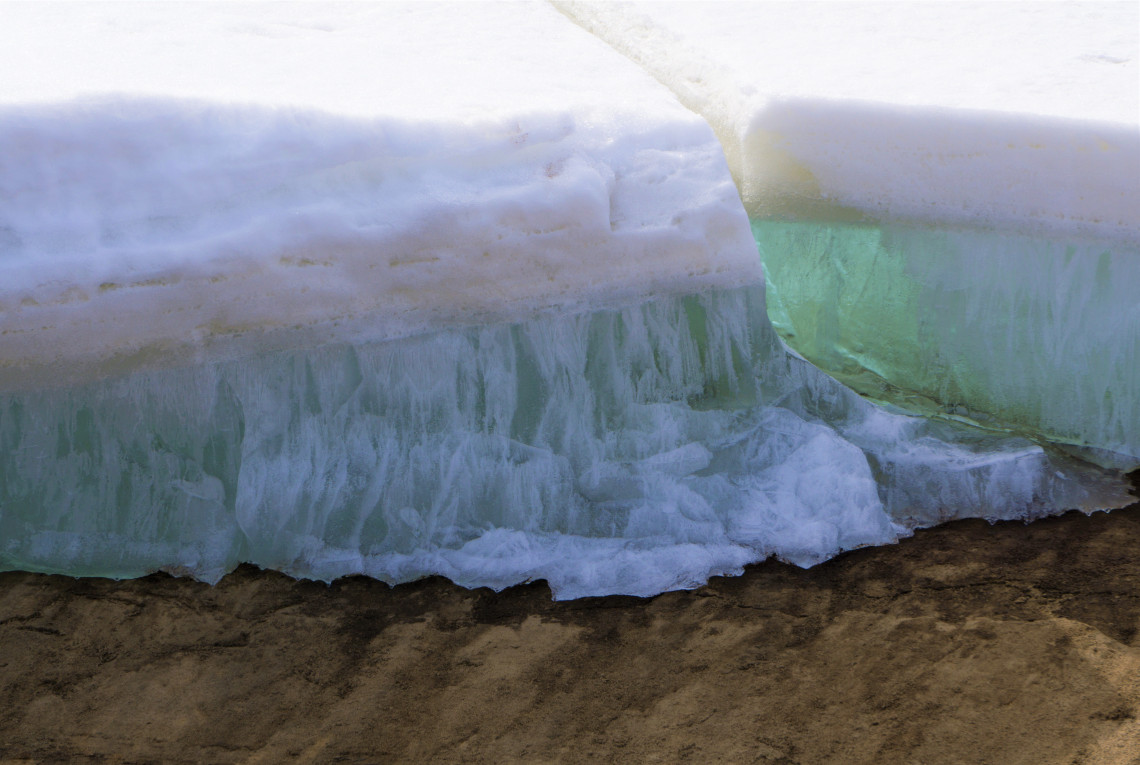
What is permafrost and where is it found?
Permafrost is frozen soil with temperatures that stay below freezing point (0°C) for at least two consecutive years. It forms about 15 percent of the land surface in the Northern Hemisphere and can also be found in the Antarctic and at high elevations in mountain ranges.
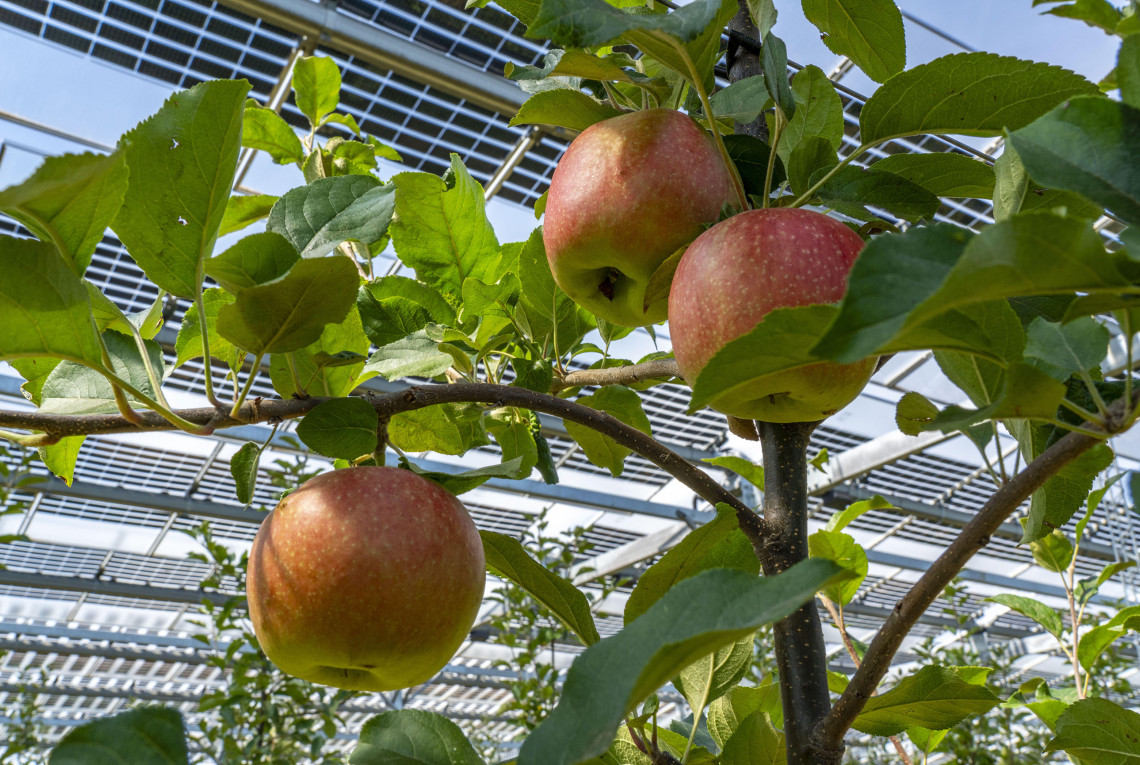
Agrivoltaics: clean power from the farm
When fruits and vegetables grow under solar modules, we call it agrivoltaics. Could the combination of agriculture and energy production help make Germany carbon-neutral? A visit to some test fields.
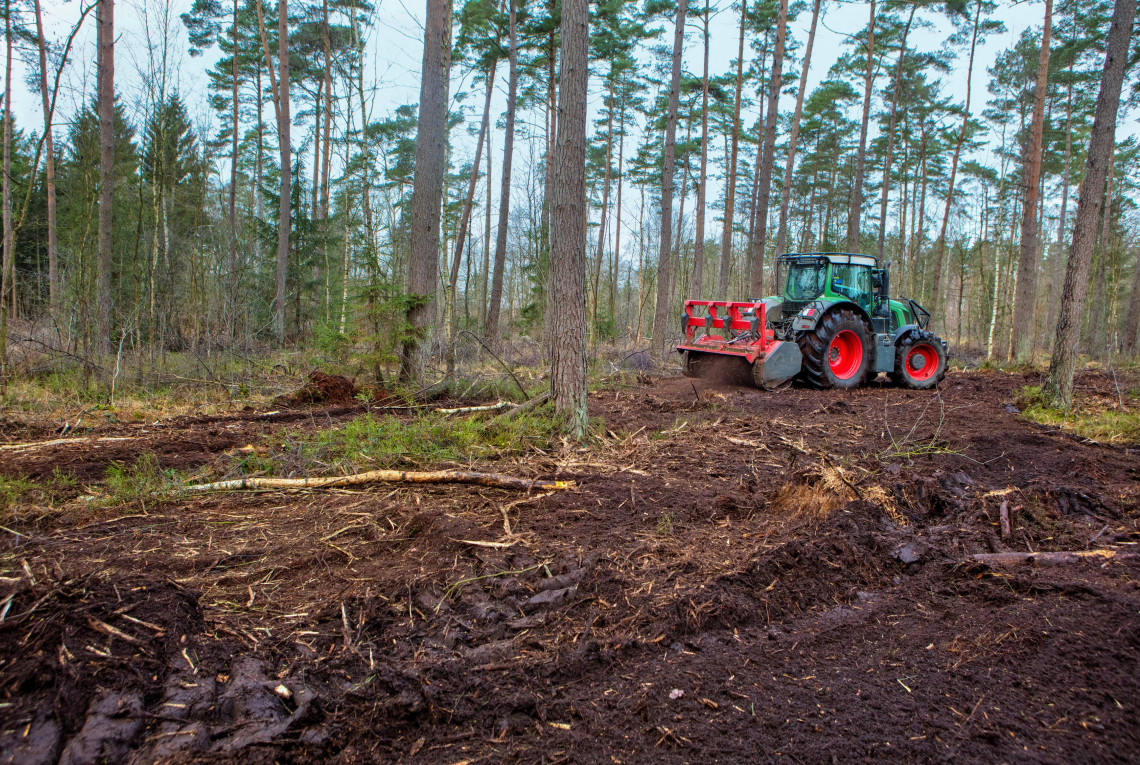
Transformation instead of clean-up
Our forests are valuable natural habitats. They make important contributions to climate protection and mitigate the human impact of climate change. But they are increasingly suffering from heat and drought. Scientists and companies that manage forests are working together on ideas for shaping the forests of the future.
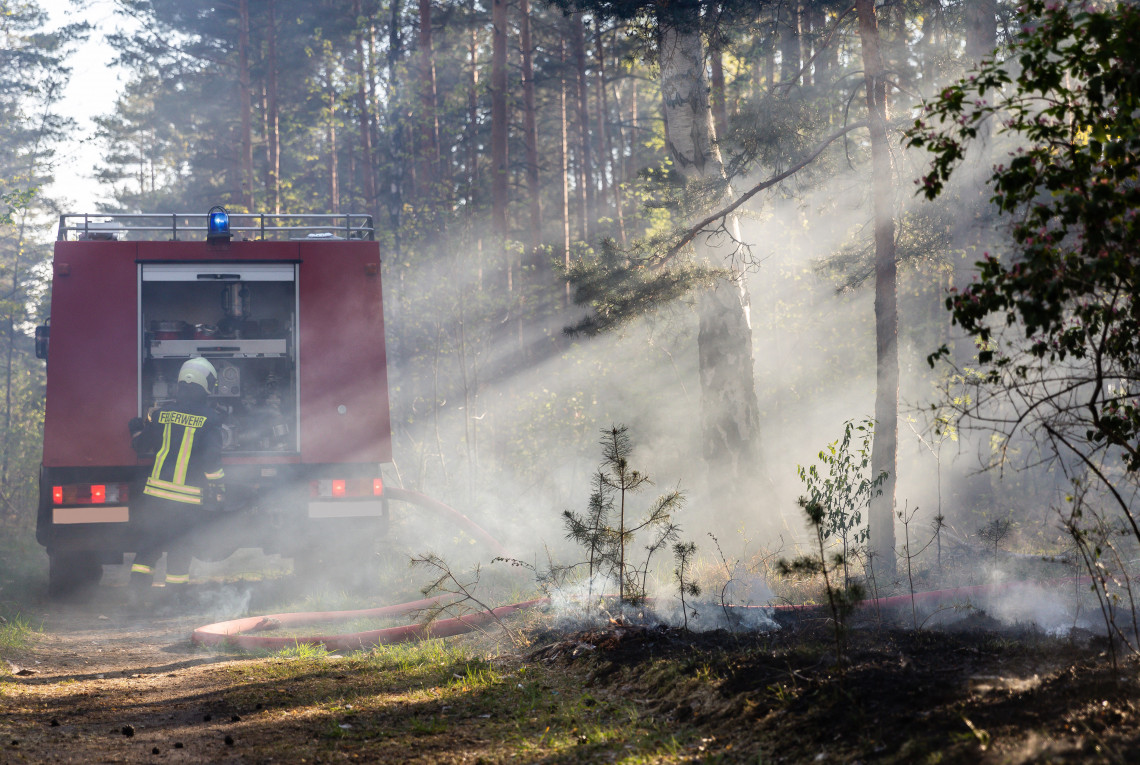
“We need the chance to intervene”
As it is elsewhere, climate change is increasing the risk of forest fires in Germany. So should deadwood that intensifies fires be removed from forests? Or should it be left where it is for conservation reasons?